Lemon & Buyback VIN Check
Some cars got bought back because they could not be fixed. Know before it becomes your turn.
Every state has a lemon law: when a new car spends too long in the shop for the same defect, the manufacturer can be required to buy it back. Those cars do not get crushed. They get repaired one more time, titled with a buyback brand where states require it, and resold, sometimes with the history quietly minimized.
A lemon check looks for the paper trail: manufacturer buyback and lemon brands on the title, the ownership pattern that goes with a repurchase, and the early-life warning signs. It is a narrower record than a crash or flood leaves, which makes reading it carefully matter more.
What it does to a car
The defect that would not die
Buybacks happen after repeated failed repairs of the same problem: electronics, transmissions, stalling, leaks. The final repair attempt may have worked. The history says the previous several did not.
A brand that follows the title
Most states brand repurchased vehicles as lemon-law buybacks, and the brand persists in the title record even after resale across state lines.
Disclosure that varies by state
Know your stateSome states require buyers be told plainly; others are looser. A seller who says nothing may be breaking no local rule, which is exactly why you check the record yourself.
Value below the badge
A buyback history caps resale value no matter how well the car runs today. Pay accordingly or pick a different example.
How to spot it in person
The record tells you what was reported. Your eyes and nose cover the rest. Check these before any money moves:
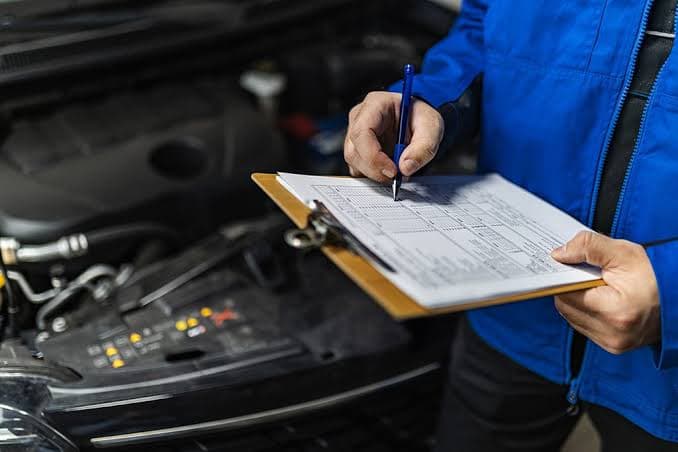
Service records for repeats
Ask for the service history and read for the same complaint appearing more than twice. Repeat visits for one symptom are the lemon signature, whatever the title says.
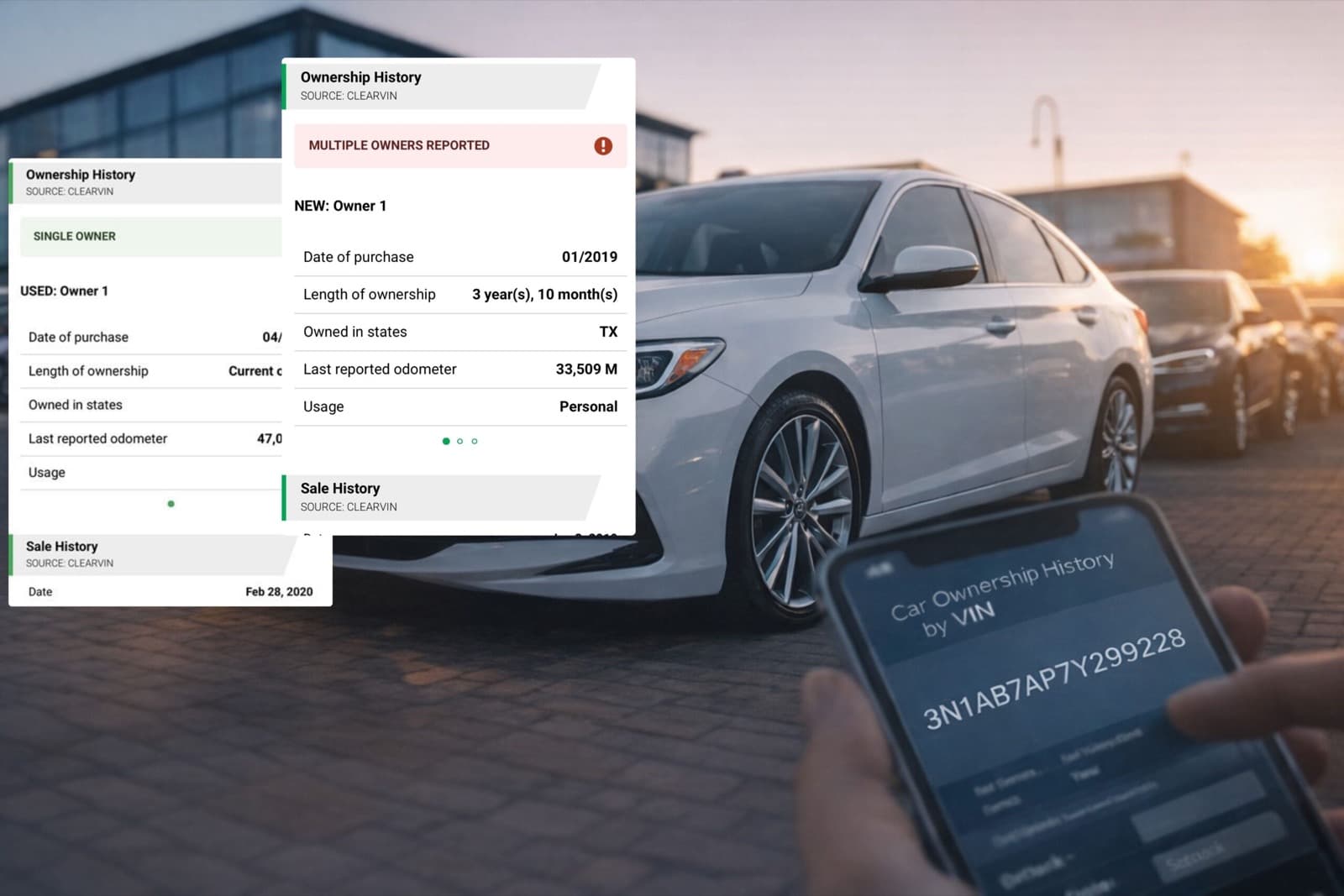
Early ownership pattern
A car sold at one or two years old with a title chapter back to the manufacturer or its financial arm fits the buyback profile. The report's chronology makes that pattern easy to spot.
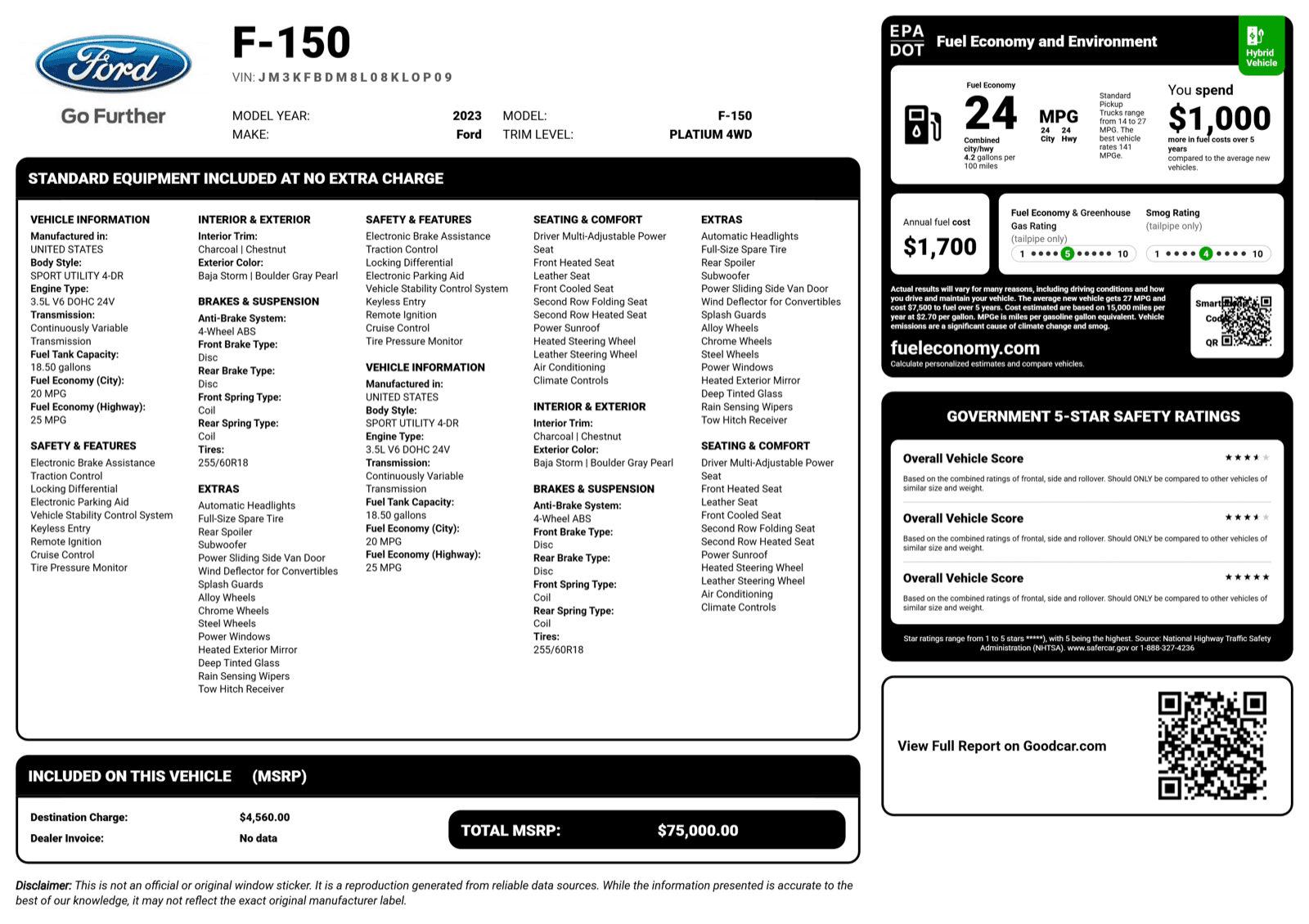
The window sticker question
Ask the seller directly whether the car was ever repurchased or exchanged by the manufacturer. Watch the answer as much as the words; then verify against the record.
Test the original complaint
If the record hints at the defect, exercise it: the infotainment that rebooted, the transmission that shuddered, the start-stop that stalled. Persistent problems usually leave a temperament.
How a buyback melts back into the market
The defect
A new car fails the same way repeatedly under warranty. The owner invokes the lemon law.
The repurchase
The manufacturer buys the car back and repairs it once more, this time with every incentive to close the file.
The resale
It sells at auction, branded where the state requires. Disclosure obligations thin as it crosses state lines.
The second owner
Two owners later the listing reads like any other used car, unless the buyer pulls the record.
What the report shows
- Lemon and manufacturer-buyback title brands, where states recorded them
- The full ownership and title chronology, where repurchase patterns show
- Cross-state brand reading, so a buyback branded in one state surfaces in another
- Auction and sale records from the repurchase and resale
- Open recalls and campaigns on the exact VIN, the cousin problems worth knowing
Lemon Check FAQ
Does every lemon buyback carry a title brand?
Is a lemon buyback automatically a bad car?
What is the difference between a lemon brand and a salvage brand?
Can I find out what the original defect was?
Other targeted checks
Run a lemon check check before you buy
The decode is free and takes seconds. The full report is one payment, no subscription.
Run a free VIN check