Flood Damage VIN Check
A clean title does not mean a dry car. Read the record before you buy the shine.
Every hurricane season totals vehicles by the tens of thousands, and major storms have flooded them by the hundred thousand in a single city. Those cars do not vanish. They get dried, detailed, and driven to states where nobody remembers the storm, then sold to buyers who never think to ask.
Water is the cruelest damage a car can take because it works slowly. A flooded car can run perfectly through the test drive and the first month, while corrosion chews through connectors and modules on its own schedule. The flood check reads the title brands, total-loss records, auction photos, and the state-by-state trail that flood cars try hardest to hide.
What it does to a car
Electrical decay on a timer
Delayed failureWater gets into harnesses, module housings, and grounds. Failures start weeks or months later, one system at a time, and diagnosing them costs more patience than most owners have.
Corrosion from the inside
PermanentFloodwater reaches cavities no wash can rinse: inside rails, under carpets, behind panels. Saltwater is worst, but fresh water rusts everything it touches too.
Mold and what came with the water
Health hazardFloodwater is never clean water. It carries sewage, fuel, and runoff into foam and ducts, and what grows afterward is a health problem, not a detailing problem.
Airbags and safety electronics
Restraint modules and sensors that sat underwater are unreliable in exactly the moment you need them. Proper rebuilds replace them; the cheap ones just clear the codes.
How to spot it in person
The record tells you what was reported. Your eyes and nose cover the rest. Check these before any money moves:
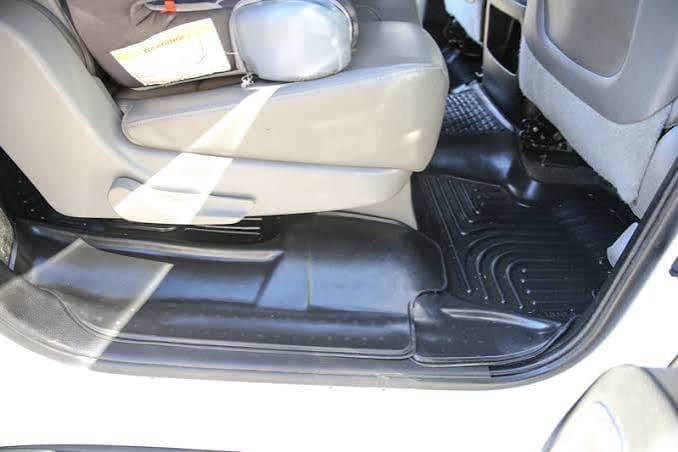
Under the seats
Look at the seat rails and the unpainted bolts holding them down. Rust on hardware the sun never touches is the classic flood signature.
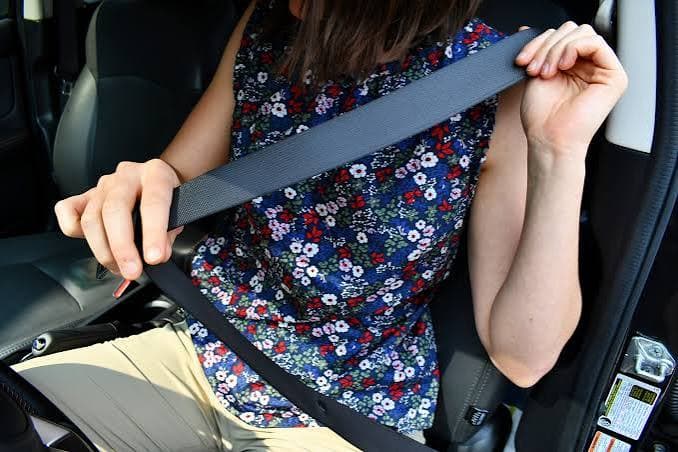
Seat belts, pulled all the way out
Extend each belt fully. A waterline stain near the end of the webbing marks how deep the car sat, and nobody thinks to clean it.
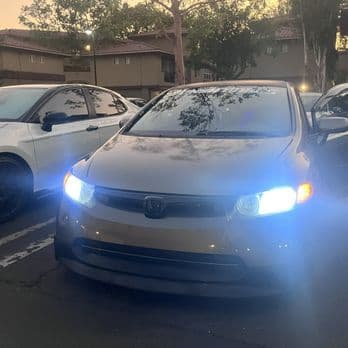
Lamps and lenses
Headlights and taillights fog and hold a tide line after submersion. Brand-new lamps on an older car ask their own question.
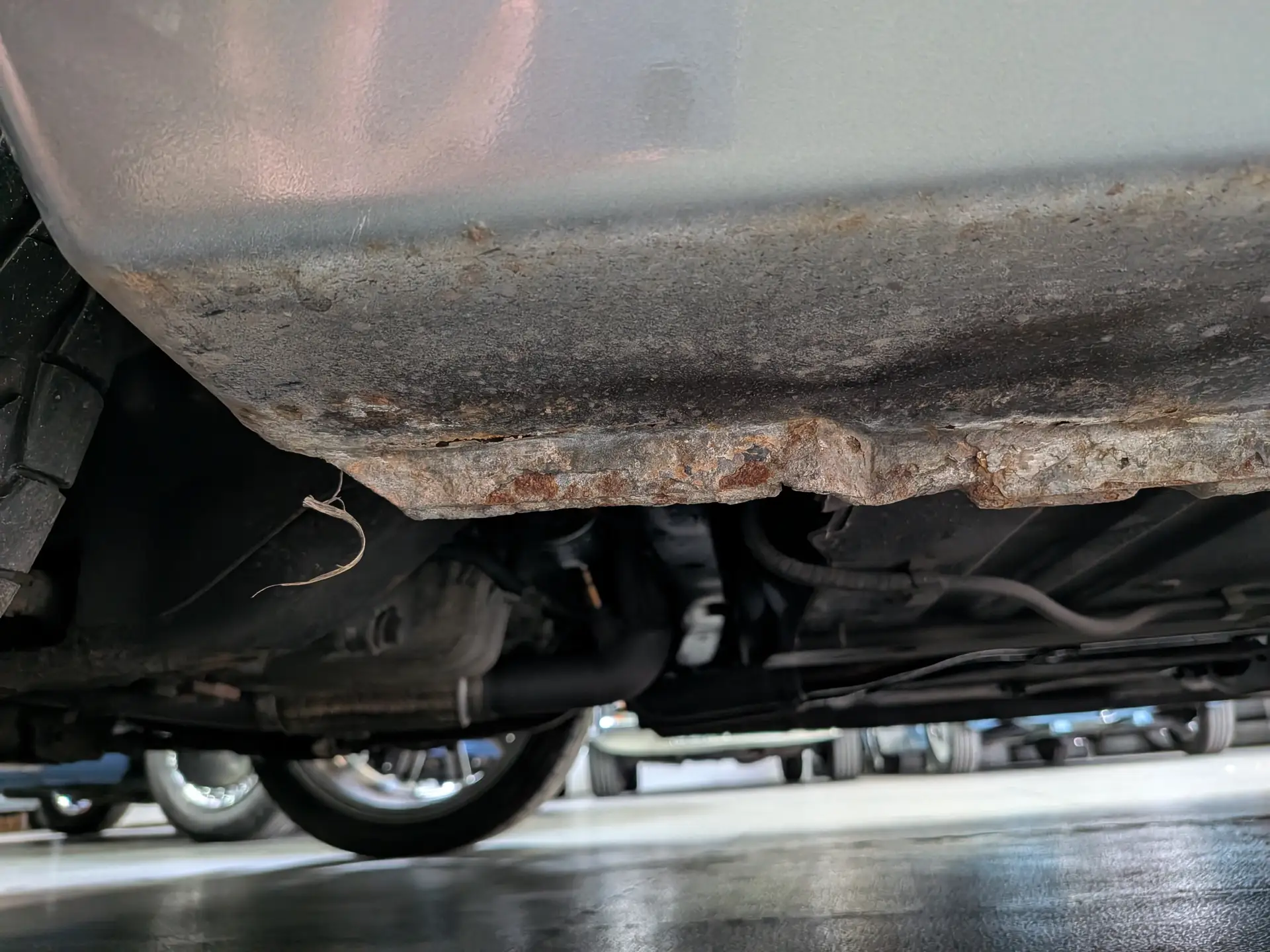
Silt in the recesses
Run a finger under the dash, inside the spare-tire well, and around the engine bay's corners. Flood silt settles where cleaning rags never reach.
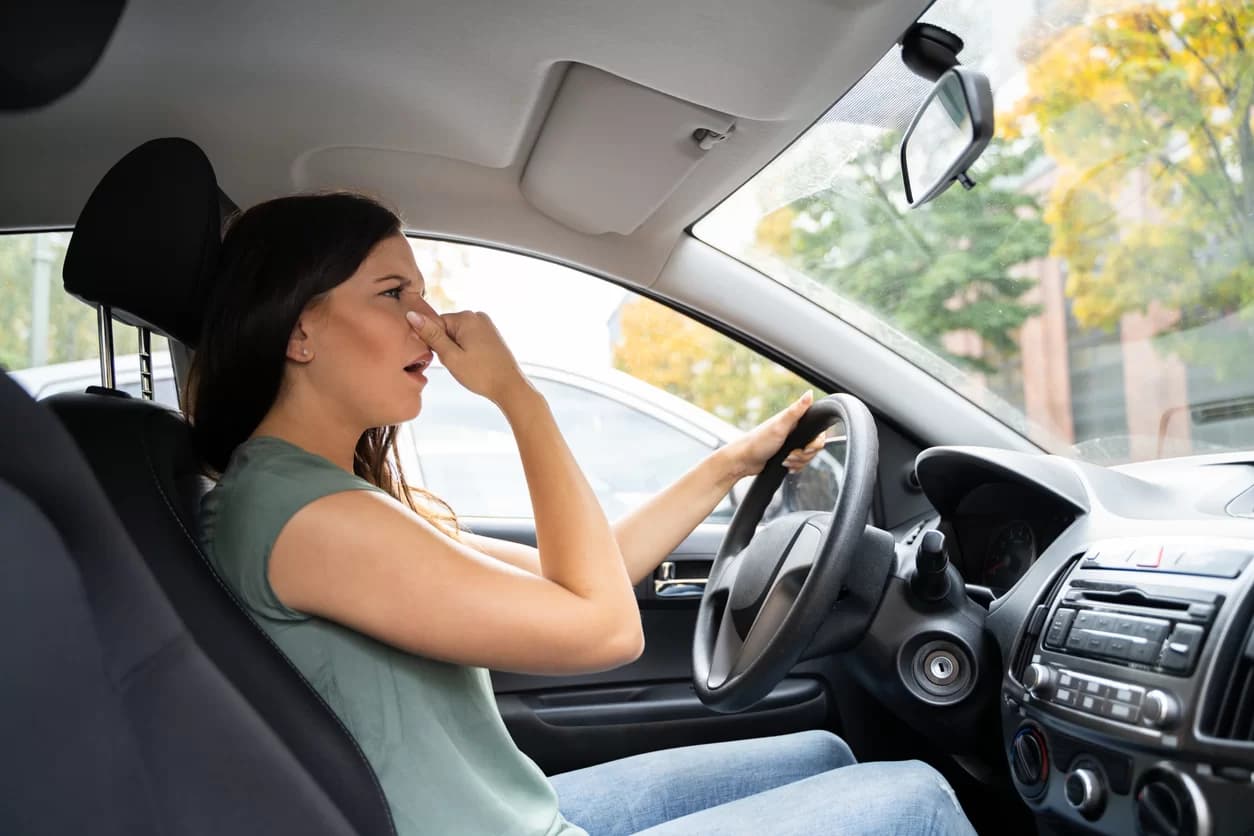
The closed-car smell
Let the car bake closed in the sun, then open the door. Musty is not a maybe; it is water history announcing itself.
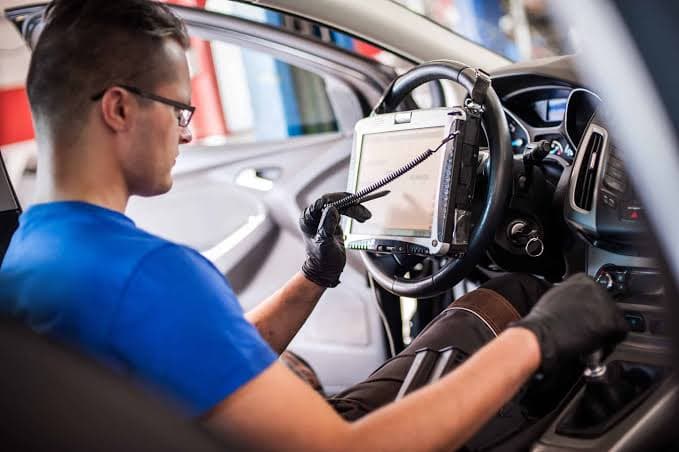
Electrical gremlins on the test drive
Work every switch, window, and screen. Intermittent electronics in a car from a storm state deserve suspicion, not excuses.
How title washing moves a flood car
The flood
The car goes under in a storm state. The insurer totals it and a flood brand goes on the title.
The move
It sells at salvage auction and travels to a state with looser branding rules.
The wash
A new title issues without the brand carried over. On paper, the car is suddenly clean.
The sale
It lists two states from the storm, clean title in hand, priced just tempting enough.
What the report shows
- Flood, salvage, and junk brands from every state, read across the whole title trail
- Insurance total-loss records tied to the VIN, brand or no brand
- Salvage-auction listings with photos, where the waterline is often still visible
- Title events through storm states, with dates, context the seller leaves out
- Odometer chronology around the event, showing the car's life before and after
Flood Damage FAQ
Can a car with a clean title still be a flood car?
Which states do flood cars come from?
Is it ever okay to buy a flood-branded car?
How do I check for flood damage for free?
Other targeted checks
Run a flood damage check before you buy
The decode is free and takes seconds. The full report is one payment, no subscription.
Run a free VIN check