Frame Damage VIN Check
The most expensive damage is the kind you cannot see from any angle.
The structure under a car decides how it drives, how it wears, and how it protects you when everything goes wrong. Frame and unibody damage from a hard hit can be straightened close enough to look right while remaining meaningfully weaker than the factory intended.
No listing photo shows a bent rail. Sellers rarely mention structural repairs, and the better the cosmetic work, the less reason you have to ask. The check reads what got recorded: structural damage reports, severe-impact claims, salvage brands, and the auction photos taken when the bend was still visible.
What it does to a car
Crash protection you cannot verify
Safety criticalCrumple zones work by deforming in a designed sequence. Straightened or sectioned rails do not owe you that sequence, and the difference appears only in the next crash.
Alignment that never holds
A bent structure pulls the suspension out of true. The car eats tires, wanders on the highway, and returns from every alignment a little wrong.
Doors, gaps, and squeaks
Twisted structure shows up as doors that need a slam, gaps that taper, and a body that creaks over driveways. Annoyances on the surface, evidence underneath.
A value cut that follows the car
Structural damage is a standing disclosure item in the trade. Dealers check for it before buying; so should you, because the resale hit will be yours.
How to spot it in person
The record tells you what was reported. Your eyes and nose cover the rest. Check these before any money moves:
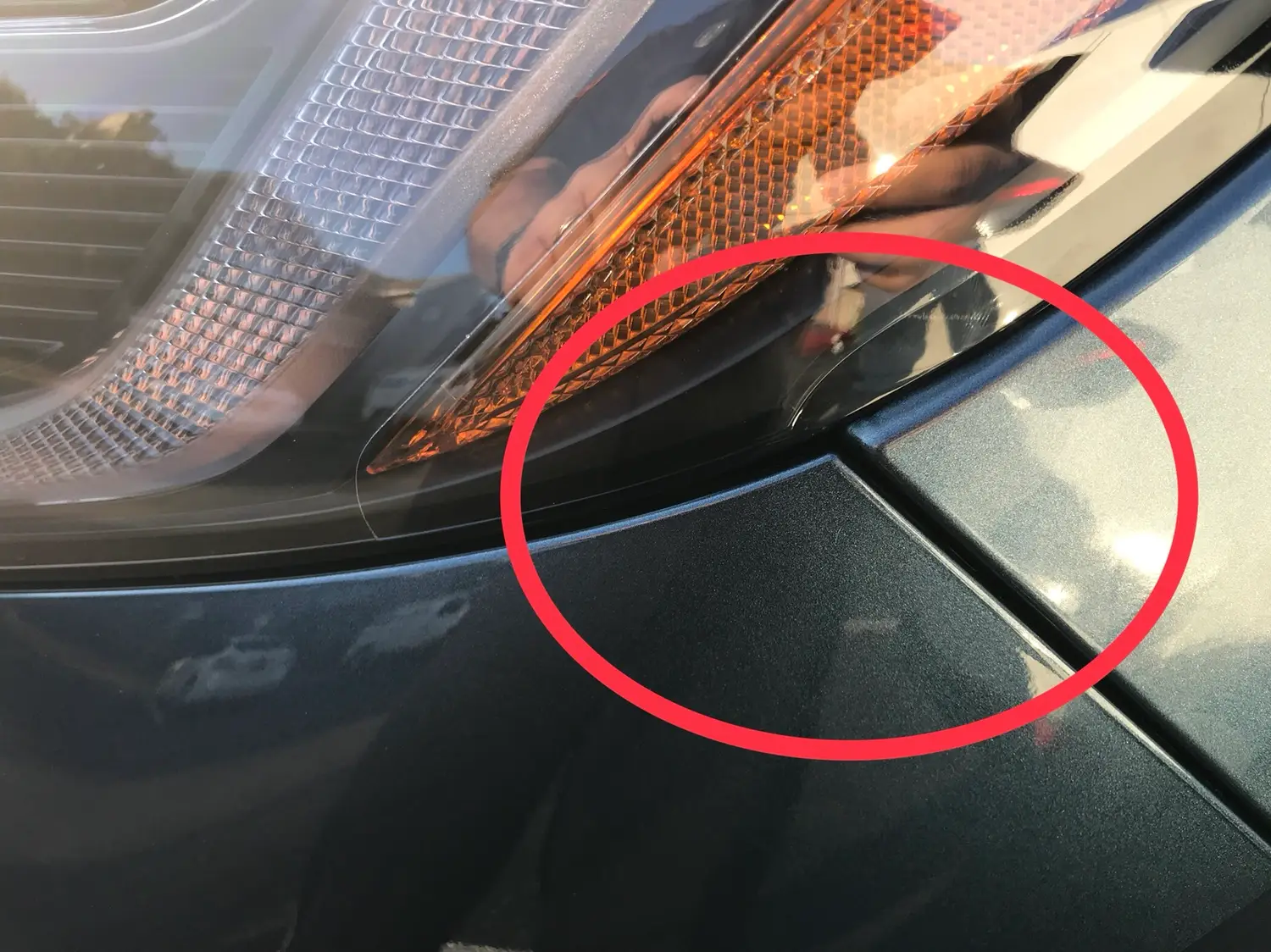
Sight down the body lines
Crouch at each corner and sight along the sides. Ripples in reflections and doors sitting proud of fenders reveal what a walk-around hides.
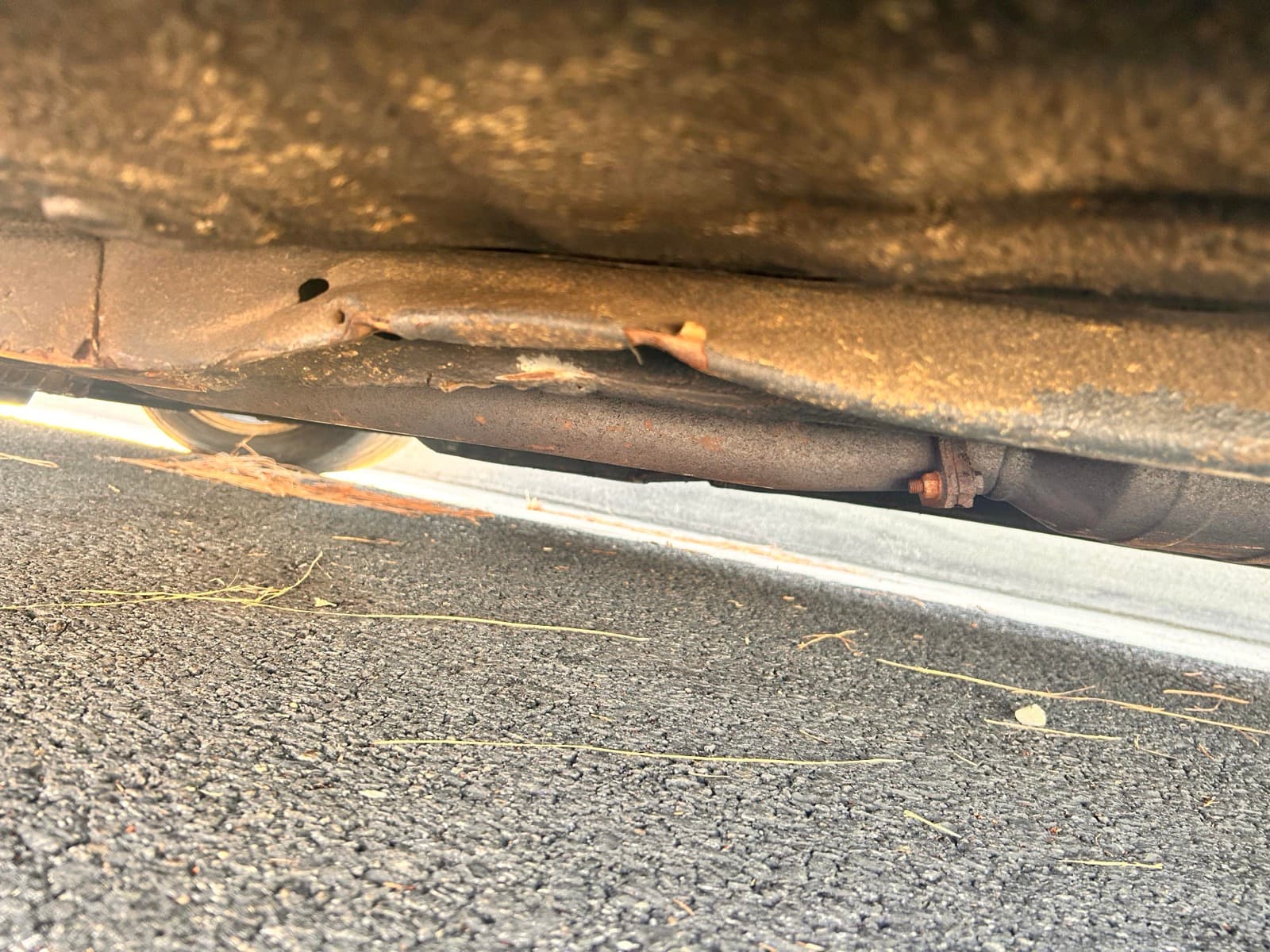
Frame rails and torque boxes
On a lift or with a flashlight underneath, look for kinks, fresh undercoating, sectioning welds, and crush-zone wrinkles on the rails.
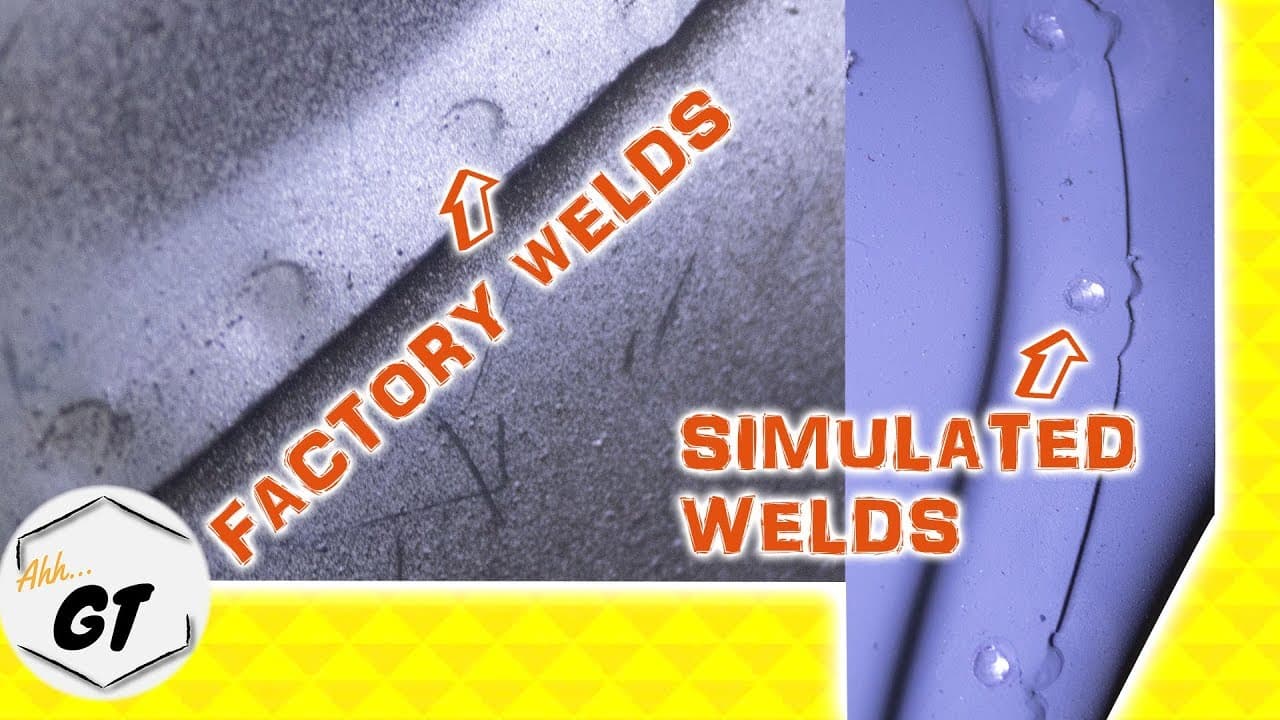
Factory welds versus repair welds
Factory spot welds are uniform dimples in neat rows. Irregular beads, grinder marks, and seam sealer applied by hand mean structural surgery.
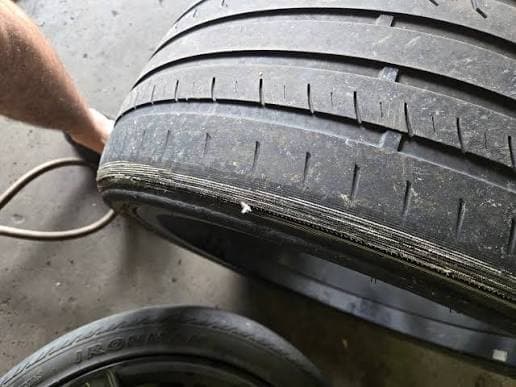
Tire wear as testimony
Read all four tires. Feathering and one-shoulder wear on a car with fresh alignment paperwork suggest a structure that will not hold spec.
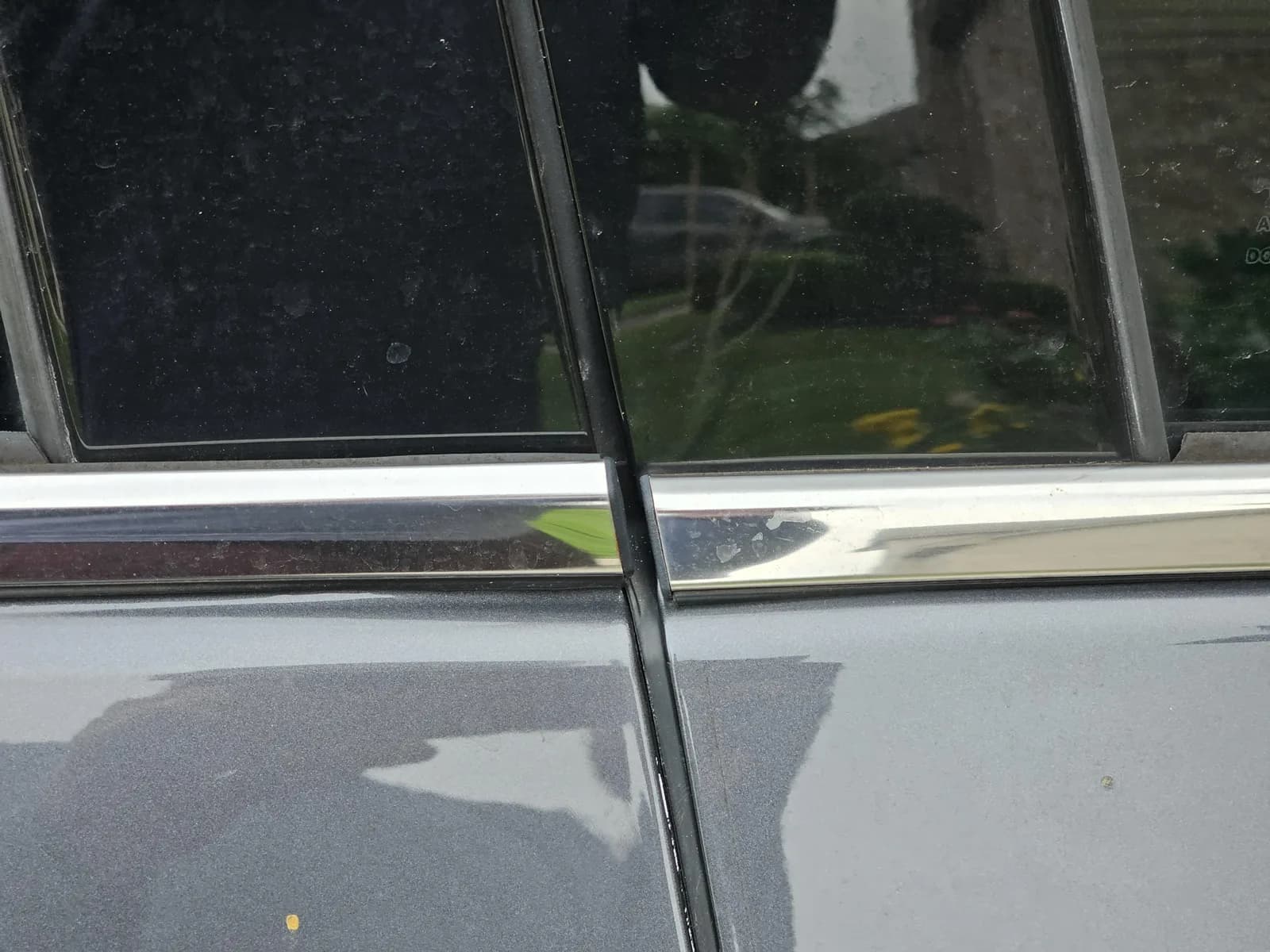
Door and trunk closing behavior
Every door, hood, and trunk should close with the same easy click. One that needs force or sits misaligned is worth tracing to its cause.
How structural damage gets buried
The impact
A hard hit bends rails or pillars. The insurer records severe damage, sometimes totals the car.
The pull
A frame machine drags the structure back toward spec. Close is cheap; exact is expensive.
The cover
New panels, seam sealer, and undercoating go over the evidence. Cosmetically, the car is done.
The listing
The ad says clean and drives great. Structural honesty was never required of it.
What the report shows
- Reported damage events with impact areas and severity where recorded
- Structural and severe-damage designations from salvage listings
- Salvage and rebuilt brands across the full multi-state title trail
- Auction photos taken while the damage was visible, before the rebuild
- Repair estimates tied to damage events, sizing what the hit really was
Frame Damage FAQ
What counts as frame damage on a modern car?
Can frame damage be repaired properly?
Will the report say the exact rail that was bent?
Should I just avoid any car with structural history?
Other targeted checks
Run a frame damage check before you buy
The decode is free and takes seconds. The full report is one payment, no subscription.
Run a free VIN check