Stolen Vehicle VIN Check
Buy a stolen car and you lose the car and the money. Two minutes of checking prevents both.
A vehicle reported stolen stays flagged in law-enforcement databases until it is recovered, and buying one, even innocently, ends one way: the car goes back to its owner or the insurer, and your money goes wherever the seller went. Good faith does not create ownership of stolen property.
The related scam is quieter: VIN cloning, where a stolen car wears the identity of a clean one, plate, VIN sticker, and all. The stolen-vehicle check queries theft records against the VIN and then does the part most buyers skip, verifying that the car's identity actually belongs to the car in front of you.
How to check if a vehicle is stolen for free
Two of the checks below cost nothing and take under ten minutes. Do them in order; each one catches something the previous one cannot.
Get the VIN
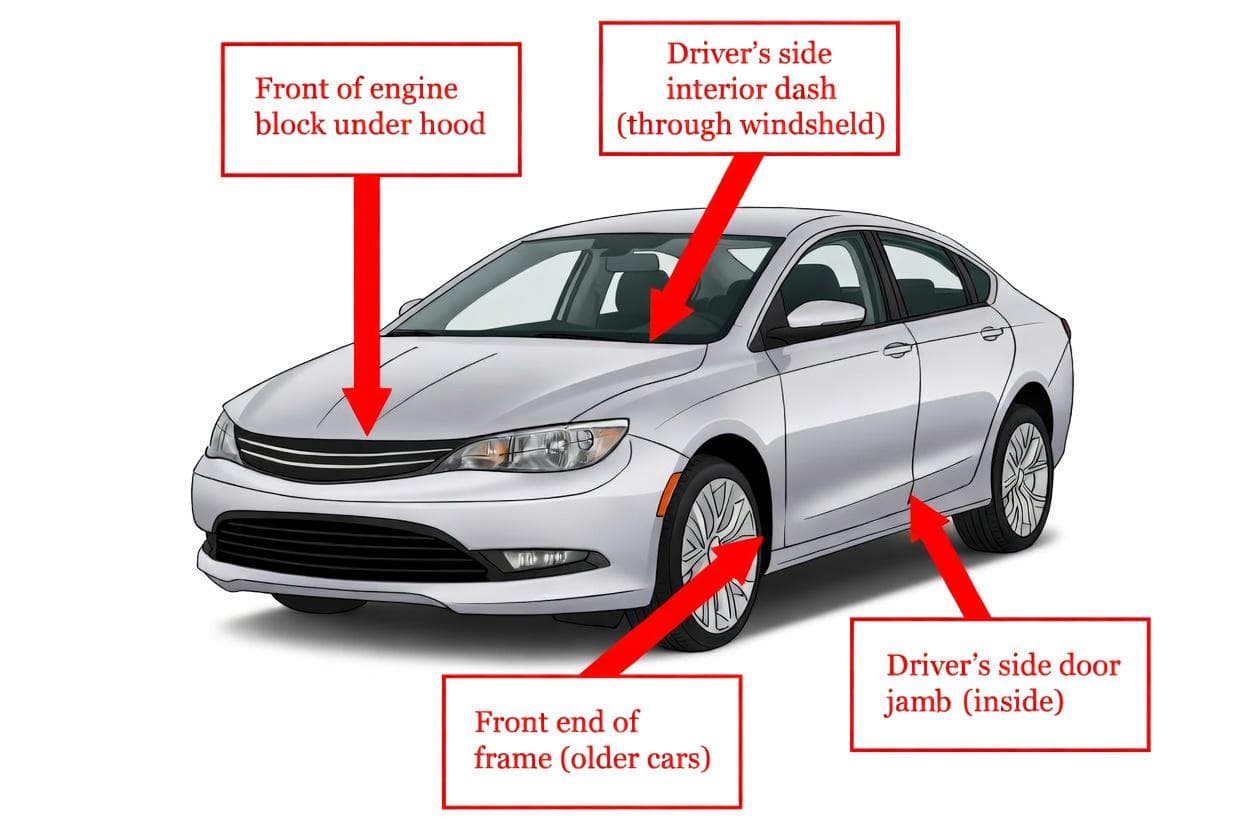
Read it off the dash plate at the base of the windshield or the driver-door label, or copy it from the listing. If all you have is the plate, a free license plate lookup returns the VIN.
Run NICB VINCheck
The National Insurance Crime Bureau offers a free VINCheck at nicb.org. It reports active theft records and salvage totals from participating insurers, limited to a few lookups per day per person.
Match every VIN on the car
Dash plate, door label, and the stamping under the hood must agree with each other and with the title, character for character. A cloned car passes a database check and fails this one.
Decode it for free
Enter the VIN in the search above. The free decode returns year, make, model, and engine. If that is not the car in front of you, stop.
Read what the free checks miss
NICB only sees insurers that report to it, and no free tool reads the title chronology where cloned identities and theft-claim brands show up. The full report covers theft records, identity verification, and the title trail for one payment.
What it does to a car
Total loss of car and cash
Total lossRecovered stolen vehicles return to their legal owners regardless of what you paid or how honestly. There is no innocent-buyer exception for possession of stolen property.
Cloned identities
Thieves copy a clean car's VIN onto a stolen twin, sell it with plausible paperwork, and vanish. The buyer discovers the truth at a registration counter or a traffic stop.
Theft-recovery damage
Cars that were stolen and recovered often took abuse: broken locks and columns, stripped parts, hard miles. Some carry salvage brands from theft claims, worth knowing before the price discussion.
Paperwork that almost looks right
Stolen-car sales lean on urgency, cash, and titles that are real documents for a different vehicle. The pattern repeats because it works on buyers who do not check.
How to spot it in person
The record tells you what was reported. Your eyes and nose cover the rest. Check these before any money moves:
Match every VIN on the car
Compare the dash plate, the driver-door label, and the stamping under the hood or on the frame. They must agree with each other and the title exactly. One mismatch ends the deal.
Look at the VIN plate's rivets
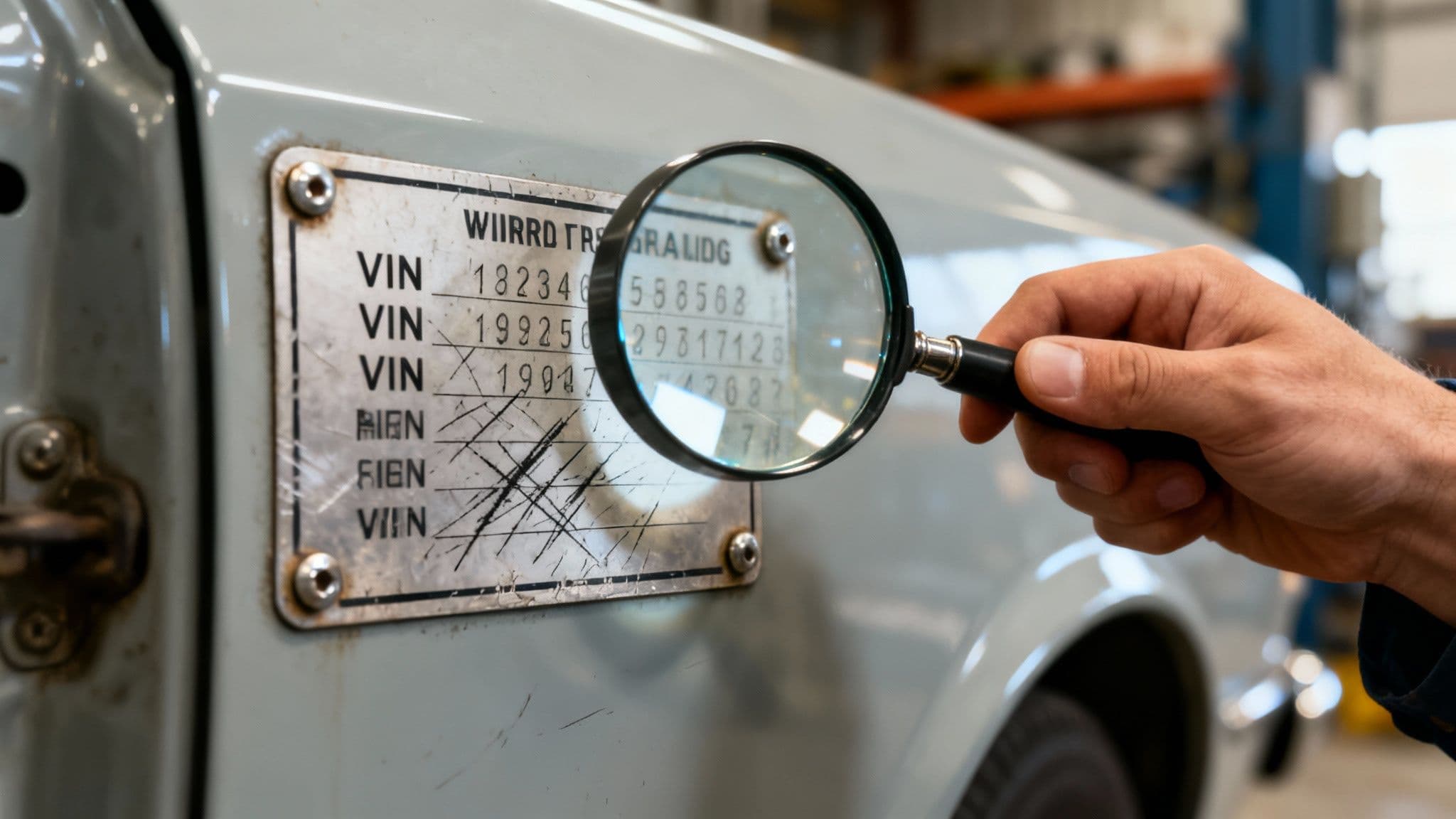
Factory rivets are uniform and undisturbed. Scratches, glue, or a plate sitting proud of the dash suggest a swapped identity.
Locks, column, and keys
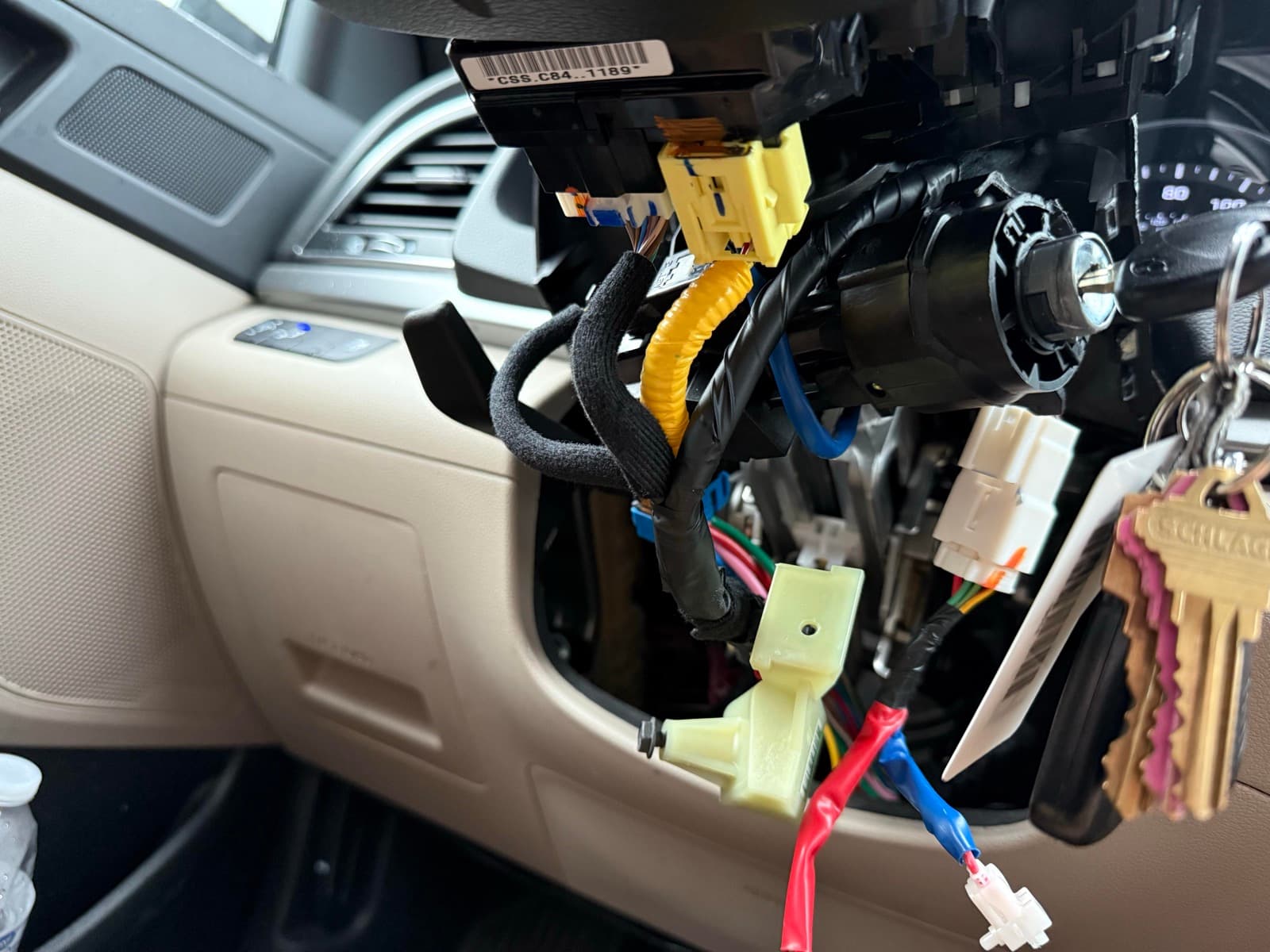
Test every lock with the key, check the ignition column for repair scars, and ask why a two-key car comes with one. Theft leaves fingerprints on the hardware.
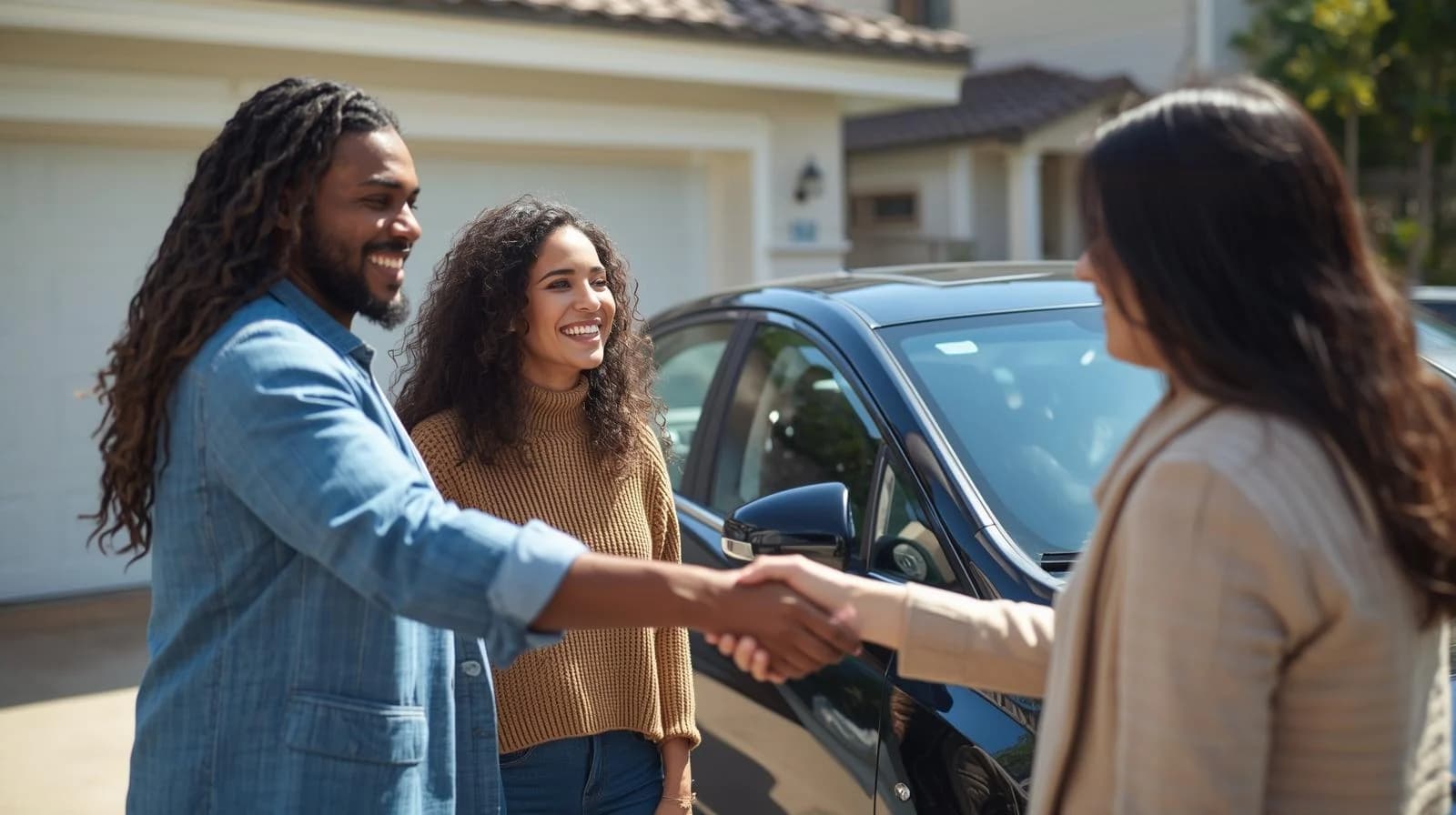
The seller and the paperwork
Match the title name to the ID of the person selling. A story about selling for a cousin, a price that forces a fast decision, and a cash-only stance is the trifecta to walk from.
How a stolen car gets sold
The theft
The car is stolen and reported. The record now flags the VIN in law-enforcement databases.
The new identity
It receives a cloned VIN from a clean twin, or heads toward a port before anyone looks.
The plausible ad
A sharp price, urgent story, and real-looking paperwork meet a buyer with cash.
The reckoning
The registration counter or a plate scan reveals the truth, and the buyer holds the loss.
What the report shows
- Theft records tied to the VIN, including reported-and-recovered history
- Identity verification: the decoded vehicle must match what the VIN claims
- Salvage brands from theft claims, where the insurer paid before recovery
- The title chronology, where cloned identities and gaps expose themselves
- Auction records that show whether the recovered car went through the lanes
Stolen Vehicle FAQ
What happens if I unknowingly buy a stolen car?
What is VIN cloning exactly?
Are theft-recovered cars bad buys?
Which vehicles get stolen most?
How can I check if a car is stolen for free?
Is the NICB VINCheck enough on its own?
Other targeted checks
Run a stolen vehicle check before you buy
The decode is free and takes seconds. The full report is one payment, no subscription.
Run a free VIN check