Salvage Title VIN Check
Totaled once, for sale now. Find out which one you are looking at before you pay.
A salvage title means an insurer decided the car was not worth fixing: crash, flood, fire, hail, theft recovery, the reason varies but the math was the same. Many salvage cars get rebuilt, inspected, rebranded as rebuilt, and returned to the road, where they trade at a permanent discount.
The problem is not that salvage cars exist; it is that their history gets laundered. Brands vanish through lenient states, rebuilt quality spans everything from careful to criminal, and the price you are quoted depends entirely on which story the seller tells. The check reads the branded truth across every state at once.
What it does to a car
Whatever totaled it, first
A salvage brand is a receipt for serious damage of some kind. The first question is always which kind: crash, flood, fire, or hail lead to very different rebuilt cars.
Rebuild quality you cannot see
Varies wildlyState rebuilt inspections mostly verify parts provenance and basic roadworthiness, not repair craftsmanship. Two rebuilt cars with identical paperwork can be worlds apart underneath.
Insurance and financing friction
Some insurers surcharge or refuse comprehensive coverage on rebuilt titles, and some lenders will not finance them. Budget for both conversations before falling for the price.
A discount that must be real
Rebuilt cars trade well below clean examples, permanently. If the asking price is near clean-market value, the discount you are owed is being kept from you.
How to spot it in person
The record tells you what was reported. Your eyes and nose cover the rest. Check these before any money moves:
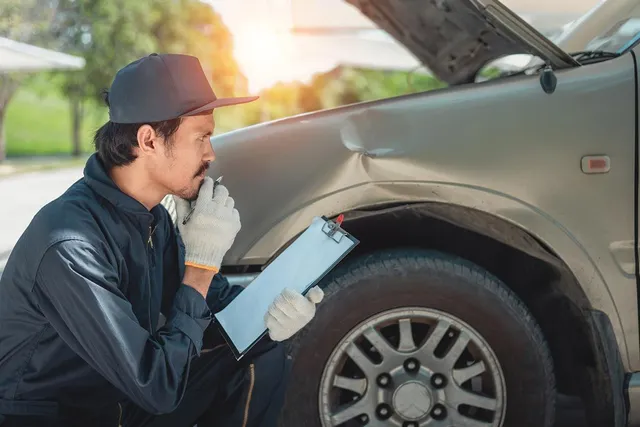
Match the damage to the repair
The report tells you what totaled the car. In person, verify the repair story matches: crash cars get panel and weld checks, flood cars get the silt-and-rust sweep, hail cars get roof-line scrutiny.
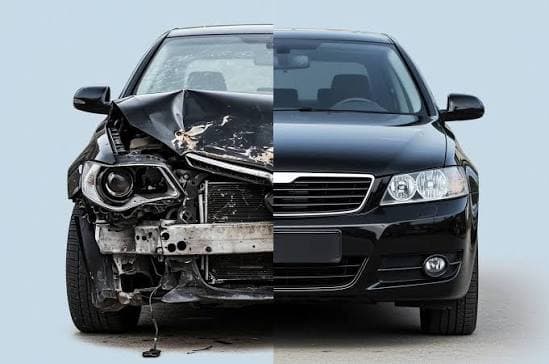
Auction photos, side by side
Bring the salvage listing photos from the report and compare panel by panel. What was crushed then should read as replaced or repaired now, and anything untouched then should still be factory.
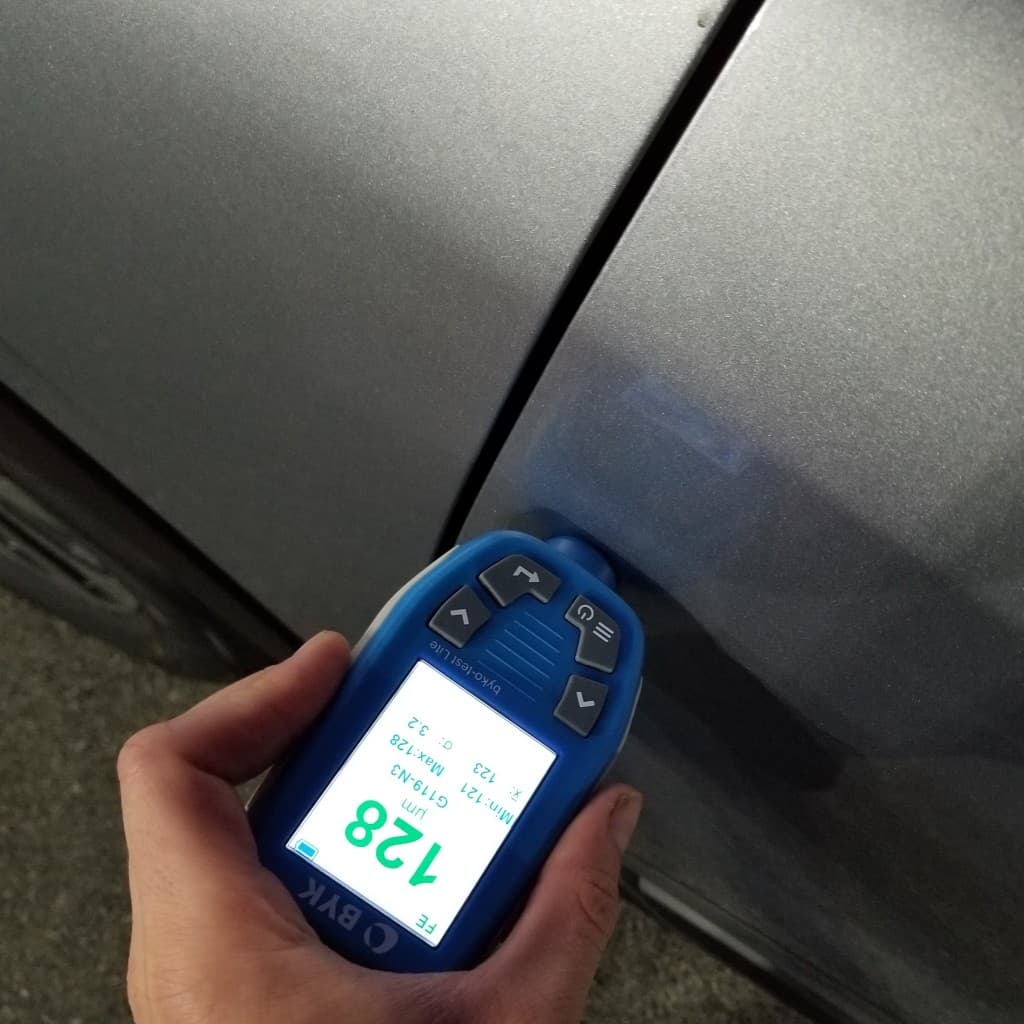
Paint meter or magnet sweep
A cheap paint-thickness gauge maps the repair. Readings that spike across half the car tell you how big the rebuild really was, whatever the seller remembers.
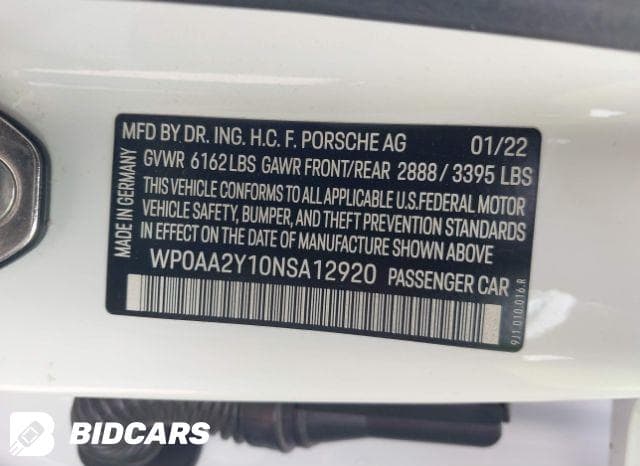
VIN plates and labels
Check the dash VIN, door-jamb label, and under-hood stampings agree. Rebuilds assembled from two cars, or wearing a donor identity, fail this simple check.
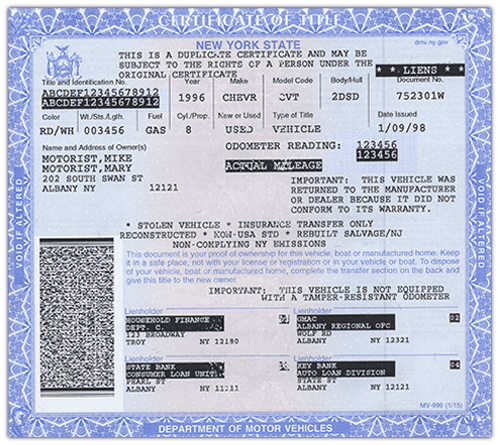
The inspection paperwork
Ask for the rebuilt-inspection certificate and the repair receipts. A professional rebuilder hands them over proudly. Silence is also an answer.
How a salvage brand gets washed
The total
The insurer pays out and the state brands the title salvage. The car sells at auction, photos and all.
The rebuild
Repairs happen at whatever standard the rebuilder answers to, which may be nobody.
The migration
The car moves to a state whose titling rules drop or soften the brand.
The clean listing
A title with no visible brand meets a buyer who checks only the current paper.
What the report shows
- Salvage, rebuilt, junk, and related brands from every state, in one chronology
- The total-loss records behind the brand, with the damage type where recorded
- Salvage-auction listings with photos of the car at its worst moment
- Title-washing detection by reading the whole state-by-state trail
- Market values by condition, so the rebuilt discount has a number to answer to
Salvage Title FAQ
What is the difference between salvage and rebuilt titles?
Why would an insurer total a fixable car?
Should I ever buy a rebuilt-title car?
Will a washed brand really show up in the report?
Other targeted checks
Run a salvage title check before you buy
The decode is free and takes seconds. The full report is one payment, no subscription.
Run a free VIN check