Fire Damage VIN Check
Burned cars get rebuilt too. Check the record before the shine convinces you.
Vehicle fires are more common than most buyers guess: electrical faults, fuel leaks, overheated components, wildfires, and arson all total cars every day. A burned car is usually declared a total loss, branded, and sold at salvage auction. Then, sometimes, it comes back.
Fire rebuilds are among the riskiest cars on the road because heat damages what you cannot see: wiring insulation, connectors, airbag components, and the metallurgy of structural parts. A fire damage check reads the brands, the total-loss records, and the auction photos where the scorch marks are still visible.
What it does to a car
Wiring that fails on a delay
Delayed failureHeat cooks insulation far beyond the visibly burned area. Circuits work at the sale and fail months later, one connector at a time, in ways that are miserable to diagnose.
Compromised metal
Safety criticalEnough heat changes the properties of steel and aluminum. A structural part that looks straight can have lost the strength it needs in a crash.
Airbag and restraint exposure
Pyrotechnic components and pretensioners exposed to fire heat are unpredictable. Proper rebuilds replace them all; cheap rebuilds do not.
Smoke residue everywhere
Smoke penetrates ducts, foam, and electronics. The smell can be masked for a sale and returns with the first hot week.
How to spot it in person
The record tells you what was reported. Your eyes and nose cover the rest. Check these before any money moves:
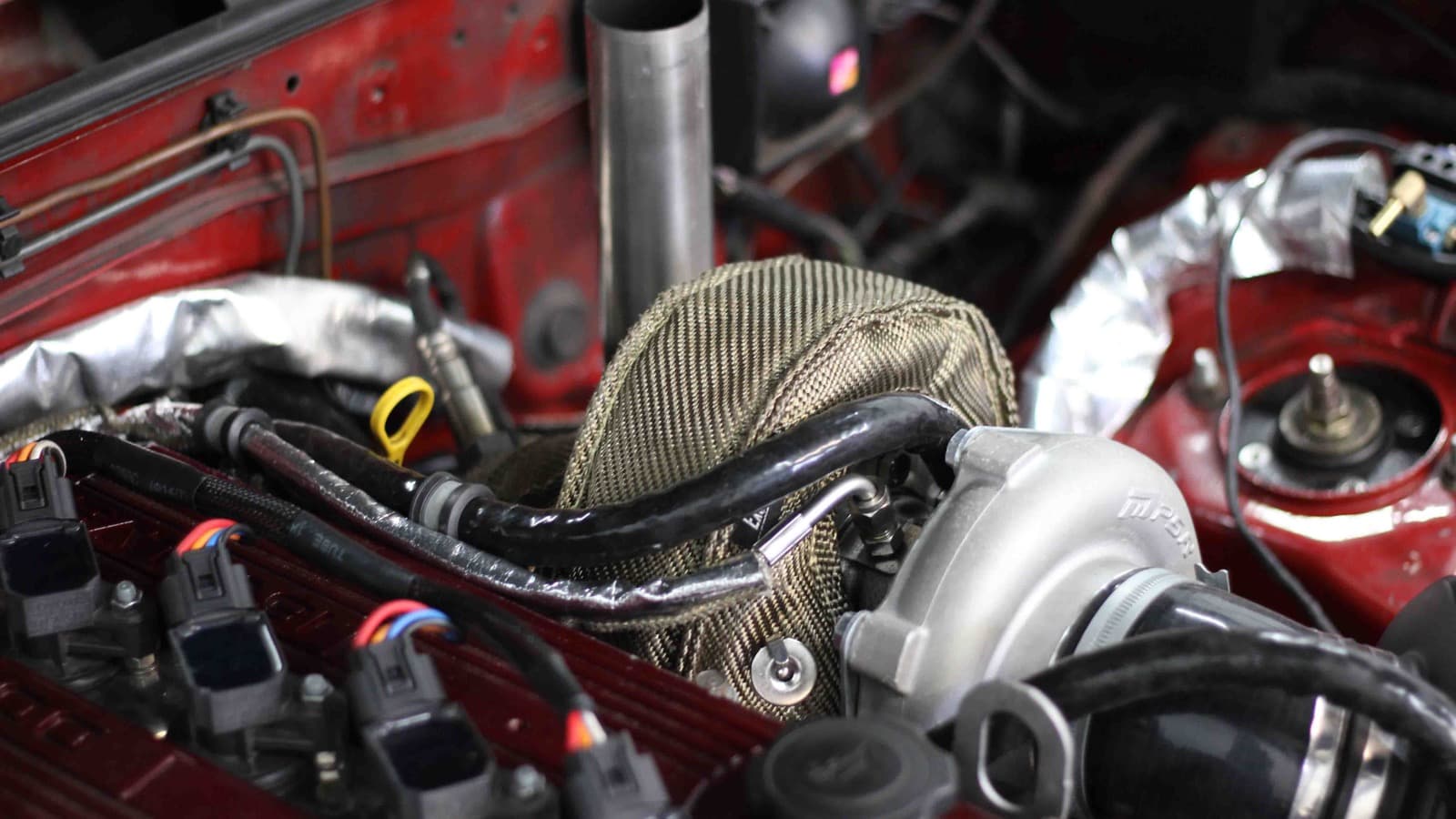
The engine bay's plastic
Look for warped or discolored plastic reservoirs, melted clip heads, and wiring loom sleeves that look newer than the car. Fire cleanup replaces the burned pieces and often misses the heat-tinted ones.
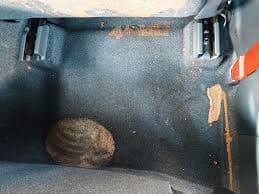
Under the carpet and headliner
Pull carpet edges and check the headliner near the vents. Smoke staining survives cleaning in the places detailers cannot reach.
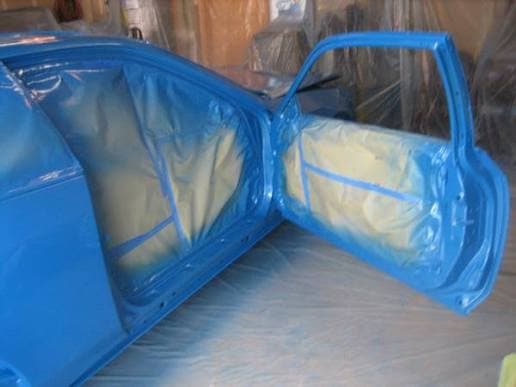
Paint that does not match the age
A whole engine bay or firewall repainted on an older car is a flag. Factory paint ages evenly; post-fire repaints look fresh in all the wrong places.
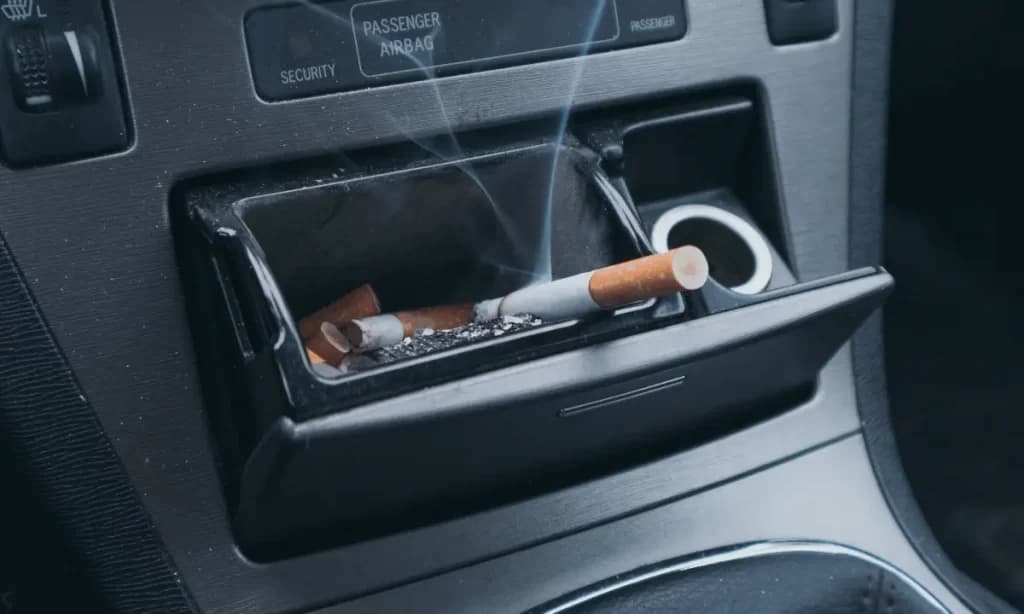
The smell test, honestly
Close the car, let it sit in the sun, then open it. Smoke has a signature no air freshener beats over time. Trust your nose over the seller's story.
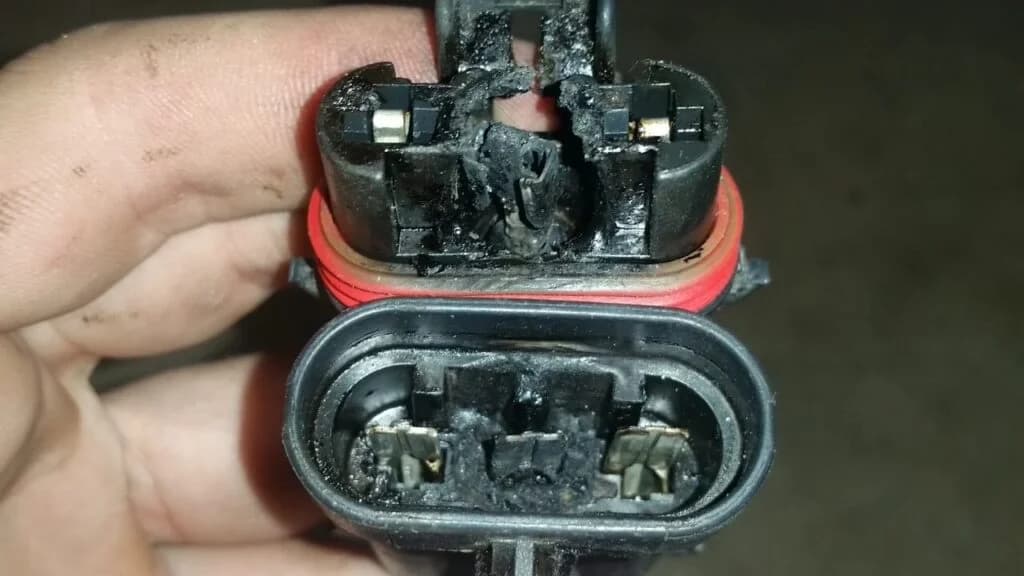
Connectors and fuse box
Open the fuse box and unplug an accessible connector or two. Browned terminals and brittle housings mean the harness lived through heat.
How a burn car comes back to market
The fire
The car burns, partially or fully. The insurer totals it and a fire or salvage brand is issued.
The auction
It sells at salvage auction, photographed with the damage visible. Those photos persist.
The rebuild
Burned parts get swapped, everything gets painted and detailed, and the smell gets treated.
The retitle
Rebranded rebuilt, or washed through a lenient state, it reappears looking ordinary at a tempting price.
What the report shows
- Fire and salvage title brands from every state the vehicle has touched
- Insurance total-loss records tied to the VIN
- Salvage-auction listings with photos, where burn damage is usually visible
- The title chronology that exposes washing through lenient states
- Odometer records around the fire event, framing the car's life since
Fire Damage FAQ
How would a car catch fire in the first place?
Is a rebuilt fire car ever safe to buy?
Will the report show a fire that never got a title brand?
What does a fire brand do to a car's value?
Other targeted checks
Run a fire damage check before you buy
The decode is free and takes seconds. The full report is one payment, no subscription.
Run a free VIN check