How to Check if a Car Has a Lien Before You Buy
 Chris HansVehicle History ExpertOctober 2, 20269 min read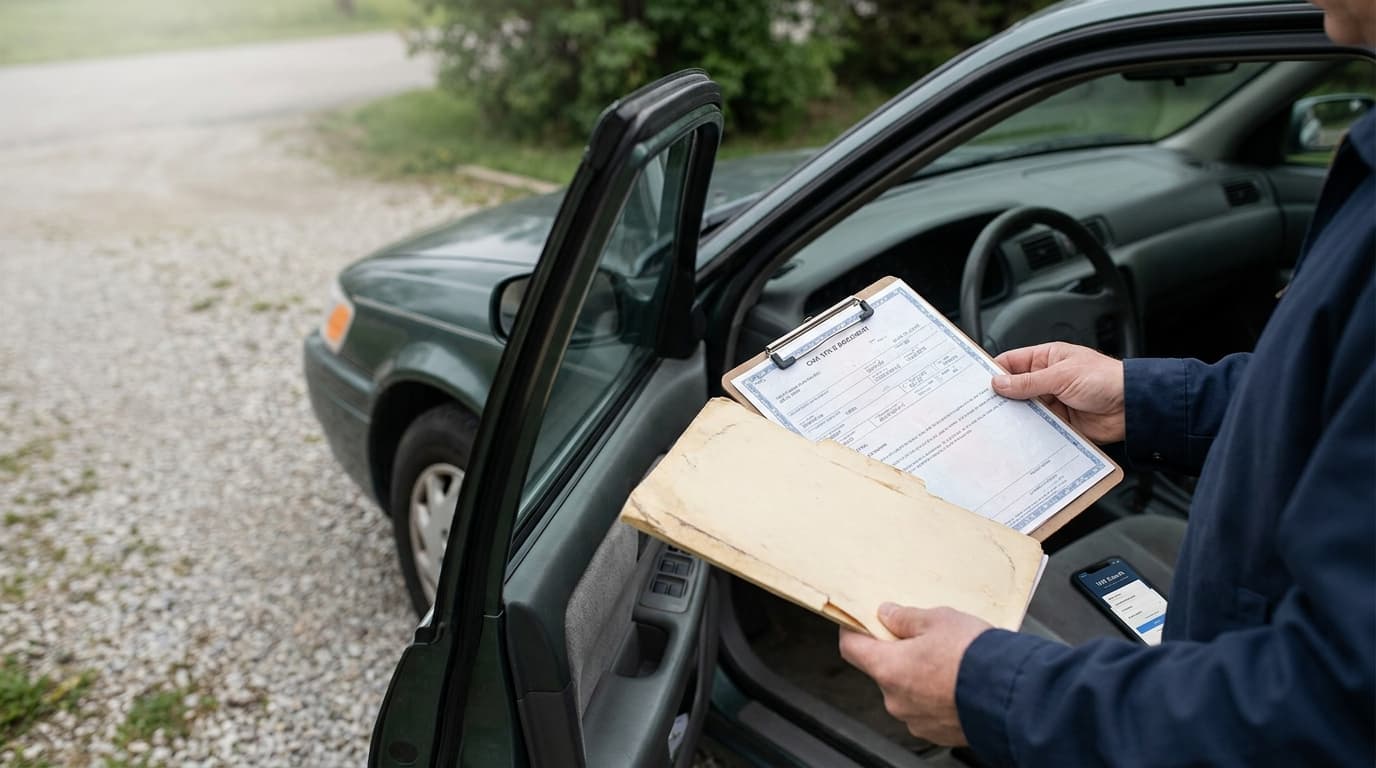
On this page
- What a lien on a car actually means
- At a glance: your lien check options
- What you need before you start
- How to check if a car has a lien: 9 steps
- Running a lien check by VIN
- Free lien lookup tools: what they're worth
- Buying a car with a lien: closing it safely
- Troubleshooting a stalled car lien search
- The seller says "the title is at the bank"
- The title shows a lien from 2016 with no release
- The lienholder won't talk to you
- The DMV record and the title disagree
- The car was recently retitled in another state
- It's a dealer car and the title isn't in hand
- State rules that change how to check if a car has a lien
- FAQ
- Can I do a lien check by VIN for free?
- What happens if I buy a car that still has a lien on it?
- Does a vehicle history report show the lienholder's name?
- How long does it take to get a lien released after payoff?
- Is it safe to buy from a seller whose car is still financed?
- What's the difference between a lien and a title brand?
If you want to know how to check if a car has a lien, the fastest path is three moves: read the lienholder line on the paper title, pull the vehicle's title record by VIN, and call whatever bank or credit union is named to ask for a payoff amount. Do all three before a dollar changes hands. A lien is a lender's legal claim on the car, and that claim follows the vehicle, not the seller, which is why a clean-looking private sale can turn into a repossession six weeks later.
This guide walks through the whole process, including what to do when the seller says the title is "at the bank" and the state you're in doesn't print paper titles anymore.
- What a lien on a car actually means
- At a glance: your lien check options
- What you need before you start
- How to check if a car has a lien: 9 steps
- Running a lien check by VIN
- Buying a car with a lien: closing it safely
- Troubleshooting a stalled car lien search
- State rules that change how to check if a car has a lien
- FAQ
What a lien on a car actually means
When someone finances a car, the lender records its interest on the title. That lender is the lienholder. Until the loan is paid off and the lender releases its interest, the lienholder has the right to repossess the vehicle, and that right does not evaporate because the car got sold to you in a parking lot.
Most states will not even issue you a title in your name while an active lien sits on the record. So the worst case isn't abstract. You pay $14,000 for a 2019 Honda Accord, the DMV refuses the transfer, the seller stops answering texts, and a recovery truck shows up because the loan went 90 days past due. You're out the money and the car.
There's a second flavor worth knowing about: mechanic's liens and storage liens. A shop that repaired a vehicle and never got paid can file a claim in many states. Those don't always appear in the same places a bank lien does, which is why a careful buyer checks more than one source.
At a glance: your lien check options
| Method | Typical cost | Turnaround | What it tells you |
|---|---|---|---|
| Read the paper certificate of title | Free | Two minutes | Lienholder name and date, or a printed lien release |
| Vehicle history report by VIN | $16.99 at TrulyCar | Minutes | Title states and dates, brands, odometer chronology, ownership timeline |
| State DMV title record request | Roughly $2 to $25 | Same day to two weeks | The official lienholder of record in that state |
| Secretary of State UCC search | Free to about $10 | Minutes | Business liens, floor plan financing, blanket filings |
| Call the lienholder directly | Free | One phone call | Current balance and a 10-day payoff figure |
| Bank or title company closing | $0 to about $150 | Same day | Proof the loan got paid before you handed over cash |
What you need before you start
- The 17-character VIN, read off the dash plate or driver's door jamb sticker, not off the ad. Photograph it.
- A photo of the front and back of the title, if a paper title exists. The back matters as much as the front.
- The seller's full legal name as it appears on the title, plus their driver's license.
- The current odometer reading, so you can compare against the recorded history.
- The plate number if you don't have the VIN yet. A plate lookup can get you to the VIN.
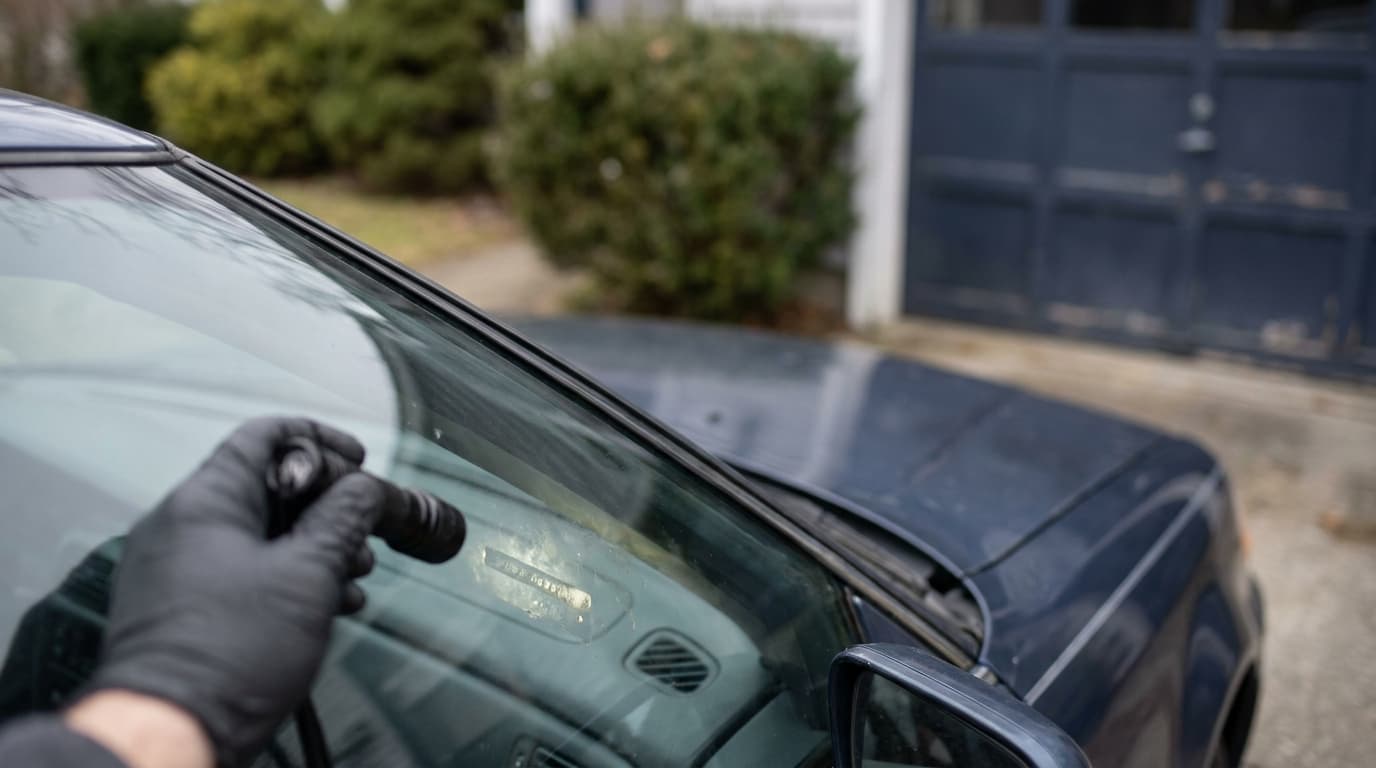
If the name on the title doesn't match the person selling the car, stop and sort that out first. Curbstoners (unlicensed dealers flipping cars out of their driveway) often sell on an open title they never put in their own name, and liens hide well in that situation. A mismatched VIN plate is its own problem; our guide on spotting a cloned car covers what to look at.
How to check if a car has a lien: 9 steps
Decode the VIN and confirm the car matches. Run the number through the free decoder on the TrulyCar homepage or NHTSA's VIN Decoder. If the decoder returns a 2.0L four-cylinder Camry and you're standing in front of a V6, the VIN belongs to another vehicle and nothing else you check will be meaningful.
Read the front of the certificate of title. Look for a field labeled Lienholder, First Lienholder, Secured Party, or Lien Recorded. A blank or a printed "NONE" is what you want. A bank name with a recording date means there was a loan.
Flip the title over and read the release. When a loan is paid, most states require the lender to sign a release section, sometimes labeled Release of Lien or Lien Satisfied, with a signature and date. Some lenders instead mail a separate lien release letter on letterhead. Ask to see that letter and keep a copy.
Check whether the title is an original or a duplicate. Look for the word Duplicate or Replacement printed near the title number. Duplicates are common and often innocent, but they are also how someone with a financed car gets a piece of paper to wave at a buyer. Ask why it was reissued.
Run a vehicle history report on the VIN. This is where you learn how many title records exist, which states issued them, and whether the dates line up with the seller's story. A single report at $16.99 draws on NMVTIS title data plus NHTSA recall and specification records, and it covers brands, odometer chronology, damage events, and the sales timeline. Big-name reports commonly run near $45 for one VIN, so running two or three cars in an afternoon gets expensive fast.
Request the title record from the state DMV. This is the authoritative source for the lienholder of record. Search your state's DMV site for Vehicle Record Request or Motor Vehicle Records. Texas uses Form VTR-275, Request for Texas Motor Vehicle Information. California handles it through its record information request forms. Under the federal Driver's Privacy Protection Act, personal owner details are restricted, but lien and title status is usually available, and having the seller sign the request removes any friction.
Search the Secretary of State UCC database. If the seller is a business, a small dealer, or a sole proprietor who used the car as collateral, the filing may live in the Uniform Commercial Code index rather than on the title. Most states host a free UCC Search or Debtor Name Search. Search the exact business name and the owner's personal name.
Call the lienholder and ask for the 10-day payoff. With the seller on the line to authorize it, call the bank listed and ask: is this loan still open, and what's the payoff good for ten days? Write down the figure, the account reference, and the name of the person you spoke with. If the payoff is $9,300 and the seller wants $8,000 for the car, you've found the problem before it found you.
Verify the release after closing. Once the loan is paid, the lender sends the title or an electronic release to the state. Follow up at 30 days. If the clean title in your name hasn't shown up at 60 days, call the lender and the DMV, in that order.
Running a lien check by VIN
Here's the part most buyers get wrong. A lien check by VIN through a history report is not the same thing as a lien search at the DMV. Title databases built from state records show you when and where titles were issued, what brands were applied (salvage, flood, insurance total loss), and how the mileage moved over time. Whether an active lienholder name appears depends entirely on what that state reports and how recently.
So treat the VIN report as your screening tool and the DMV record as your confirmation. The report tells you fast if something is off: a title issued last month in a state the seller never mentioned, three owners in fourteen months, an odometer reading that dropped 40,000 miles between records. Any of those is a reason to slow down. The report also surfaces auction photo archives and damage events, which is how a lot of people discover the "always garaged" sedan spent a week on a Copart lot.
What a VIN report will not do is replace a phone call to the bank. Lenders update their own systems in real time. State records don't.
Free lien lookup tools: what they're worth
A handful of states run genuinely free lien lookups on their DMV sites, usually under a label like Title Status Check or Lien Inquiry. Florida, Wisconsin, and a few others have offered something along these lines. They're worth two minutes of your time. Generic "free VIN lien check" sites, on the other hand, mostly show you a decoded trim level and then ask for a credit card. Free VIN decoding is real and useful. Free lien data pulled from fifty state DMVs is not a thing anyone gives away.
Buying a car with a lien: closing it safely
Plenty of good cars have open loans. Buying a car with a lien is routine as long as the loan gets paid off as part of the transaction instead of after it. Three workable structures:
- Close at the lender's branch. If the seller's loan is with a local credit union, meet there. You pay the branch the payoff amount, pay the seller the difference, and a teller handles the release. Cleanest option by a mile.
- Two checks. Write one check payable directly to the lienholder for the exact payoff and one to the seller for the balance. Never hand the seller a lump sum and trust them to settle up. Keep copies of both checks and the signed bill of sale.
- Your own lender does it. If you're financing, your bank or credit union will usually pay off the existing lien as part of funding the new loan. Ask them to confirm the release in writing.
If the payoff is higher than the car's value, the seller is upside down and has to bring cash to the table. Get that number settled before you spend a Saturday on an inspection. Market values by condition in a history report give you a reality check on what the car is actually worth against that payoff.
Troubleshooting a stalled car lien search
The seller says "the title is at the bank"
In electronic title states, that's often literally true and not a red flag. More than twenty states use Electronic Lien and Title systems, Florida and Virginia among them, where the lender holds the record digitally and no paper title exists until the loan is paid. Ask for the lender's name and account reference, then call. If the seller won't name the bank, you have your answer.
The title shows a lien from 2016 with no release
Common on older cars. The loan was probably paid and the owner never bothered to get a clean title reissued. Ask the seller to request a lien release letter from the lender, or have the state reissue the title without the lien. It usually takes a couple of weeks and costs under $40. Do not accept "it's fine, the loan's been paid for years" without paper.
The lienholder won't talk to you
Normal. Banks don't discuss accounts with strangers. Put the seller on speakerphone to authorize the disclosure, or have the seller request the payoff quote and forward it to you with the account number partially masked. Verify the phone number independently instead of calling whatever number the seller hands you.
The DMV record and the title disagree
Trust the DMV record. Paper titles get altered, and a washed title (moved through a state with looser rules to drop a brand or a lien) is a known trick. If the state record shows an active lien and the paper says none, walk away or get a written explanation from the lender itself.
The car was recently retitled in another state
Cross-state moves can leave a lien attached in the old state while the new title looks clean. Pull records from both states. This pattern also shows up in flood car laundering, so look at the damage history while you're at it.
It's a dealer car and the title isn't in hand
Dealers finance inventory through floor plan lenders, so a blanket lien on the whole lot is normal. Licensed dealers are required to deliver clear title within a set window (often 20 to 45 days, depending on the state). Get that deadline in writing on the buyer's order. If the dealer won't commit to a date, that tells you something about their cash position.
State rules that change how to check if a car has a lien
There is no national lien registry for cars. NMVTIS, run through the U.S. Department of Justice, consolidates title and brand data from participating jurisdictions and is the closest thing we have, and you can read about the program at vehiclehistory.bja.ojp.gov. What varies by state:
- Who holds the title. In title-holding states the lender keeps it. In non-title-holding states the owner holds the title with the lienholder printed on it.
- Electronic vs. paper. ELT states produce no paper until payoff, so the absence of a title means nothing on its own.
- Mechanic's lien rules. Some states let a repair shop foreclose on a vehicle after as little as 30 to 60 days of nonpayment. These filings rarely appear in title data.
- Record request access. A few states will only release lien information to the registered owner or someone with a signed authorization.
Build your check around the state where the car is currently titled, not where you live. If you're shopping out of state, add a day to your timeline for the record request and factor it into your offer.
FAQ
Can I do a lien check by VIN for free?
Partly. VIN decoding is free, and a handful of state DMVs post free title or lien status lookups. Full title history from state records costs money, usually between $2 and $25 for a DMV record request or $16.99 for a vehicle history report that also covers brands, odometer chronology, and damage events. Any site promising complete free lien data nationwide is going to ask for your card eventually.
What happens if I buy a car that still has a lien on it?
The lender's claim stays attached to the vehicle. Your state will likely refuse to title it in your name, and if the seller stops paying, the lender can repossess the car from your driveway. Your only recourse is suing the seller, which assumes you can find them and they have money. This is the single most expensive mistake in private-party buying.
Does a vehicle history report show the lienholder's name?
Sometimes, depending on what the titling state reports. Treat the report as your screen for title history, brands, and timeline gaps, then confirm the active lienholder with the DMV record and a call to the bank. The two sources answer different questions.
How long does it take to get a lien released after payoff?
In electronic title states, often two to five business days. Paper title states run longer, commonly two to four weeks for the lender to mail the released title. Set a calendar reminder at 30 days and start making calls if nothing has arrived.
Is it safe to buy from a seller whose car is still financed?
Yes, if you pay the lender directly for the payoff amount and the seller for whatever's left. Meeting at the lender's branch removes almost all of the risk. What's not safe is handing over cash and trusting the seller to settle the loan afterward.
What's the difference between a lien and a title brand?
A lien is a financial claim by a lender. A brand (salvage, flood, rebuilt, insurance total loss) is a permanent note about the vehicle's condition history. A car can have one, both, or neither, and you should check for both separately before you buy.
Chris Hans
Vehicle History Expert
Chris Hans writes TrulyCar's practical guides for used-car buyers, built on the same NMVTIS title data and NHTSA records that power our reports.
Buying a used car? Check its history first.
Run a free VIN checkKeep reading

Best Vehicle History Report Site: $16.99, No Subscription
Picking the best vehicle history report site? Compare one-time $16.99 pricing against monthly subscription plans and $44.99 single reports, side by side.
Sep 3, 20267 min read
VIN Cloning: How to Spot a Cloned Car Before You Buy
VIN cloning puts a clean car's identity on a stolen one. Here's a 10-step driveway check to tell if a car is cloned before you hand over cash.
Oct 2, 20269 min read

Carfax vs AutoCheck vs TrulyCar: Which Wins?
Carfax vs AutoCheck vs TrulyCar: how the three reports compare on price, title brands, damage photos, and odometer data before you buy a used car.
Sep 18, 20267 min read