Carfax vs AutoCheck vs TrulyCar: Which Wins?
 Chris HansVehicle History ExpertSeptember 18, 20267 min read
On this page
- At a glance
- Carfax: the name on the window sticker
- AutoCheck: the score-first report
- TrulyCar: one flat price, every section
- Carfax vs AutoCheck vs TrulyCar, category by category
- Price
- Title brands and total-loss records
- Accident and damage detail
- Odometer history
- Recalls
- Ownership and use history
- Pricing guidance
- Carfax vs AutoCheck: which should you buy?
- FAQ
- Is Carfax or AutoCheck more accurate?
- Why is TrulyCar $16.99 when other reports cost more?
- Can I get a real vehicle history report for free?
- Should I buy a report if the seller already gave me one?
- Do these reports show auction photos?
- What does a report miss?
Every used car you look at eventually leads to the same decision: which report do you actually pay for? Search carfax vs autocheck and you'll find plenty of pages that dance around the question without answering it. This one tries to answer it plainly, and adds a third option, TrulyCar, so you can see where the money goes.
Short version of who each suits: Carfax is the name most private sellers and franchise dealers already have on hand, so you may not need to buy one at all. AutoCheck comes from Experian and is built around a single numeric score, which makes it popular with people comparing a lot of cars quickly, especially at auction. TrulyCar is the one-price option at $16.99 per report, built for a shopper who wants title brands, damage events with auction photos, odometer history, recalls, and market values in one place without signing up for anything.
At a glance
Category | TrulyCar | Carfax | AutoCheck |
|---|---|---|---|
Single report price | $16.99 | Check site; big-name single reports generally sit in the mid-$40s | Check site; priced per report with multi-report options |
Multi-report pricing | 3 for $29.99, 5 for $44.99 | Multi-report packs offered | Multi-report packs offered |
Subscription required | No | No | No |
Free VIN decode | Yes, on the homepage | Free VIN lookup tools available | Free VIN lookup tools available |
Free plate lookup | Yes, US plates | Varies by tool | Varies by tool |
Auction damage photos | Included when a car went through a salvage sale | Verify on their site | Verify on their site |
Single condensed score | No | No | Yes, the AutoCheck Score |
Market values by condition | Included | Value tools offered separately | Verify on their site |
Recalls and maintenance schedule | Open recalls plus the factory maintenance schedule | Recall information included | Recall information included |
Anything in those competitor columns marked "verify" is deliberate. Their feature sets and prices change, and I'd rather send you to their own pages than guess.
Carfax: the name on the window sticker
Carfax has the strongest brand recognition of the three, and that shapes how you should use it. Thousands of dealers pay for dealer accounts and post a free report link on every listing, so on a franchise lot you can often read a Carfax without spending a dime. Private sellers frequently buy one too, then forward the PDF.
Carfax is known for its volume of service and repair records pulled from participating shops, which is genuinely useful on a car that's been dealer-maintained its whole life. The company also advertises a buyback guarantee tied to branded-title errors on reports it sells; read the actual terms, because the conditions matter more than the headline.
The honest drawback: you're paying premium brand pricing, and if the seller already gave you a report for free, buying a second Carfax on the same VIN tells you nothing new. That's the moment a carfax alternative earns its keep, because a second set of records from a different source is worth more than a duplicate of the first.
AutoCheck: the score-first report
AutoCheck is an Experian product. Its signature feature is the AutoCheck Score, a number that places a vehicle against similar year, make, and model cars so you can triage a list fast. If you're scanning 40 lane cars at a wholesale auction, a score you can read in two seconds has real value.
AutoCheck has long been popular in the auction and dealer world for exactly that reason. For a retail buyer looking at one or two cars, the score is less useful than the underlying events, and any score by definition compresses detail. A 2016 Accord with one reported minor rear-end hit and a 2016 Accord with a rebuilt title should never feel similar, and a number can make them look closer than they are.
TrulyCar: one flat price, every section
TrulyCar sells a single product: the Complete Vehicle History Report at $16.99, with a 3-pack at $29.99 and a 5-pack at $44.99. No plan, no recurring charge, no upsell for a "premium" tier. Five reports cost about what one report from a household name typically runs.
Every report includes the same sections:
Title and brand checks, including salvage and insurance total-loss records
Damage events with archived auction photos where they exist
Odometer chronology with rollback detection
Sales and usage timeline
Open recall campaigns
The manufacturer's maintenance schedule for that model
Factory warranty terms
Market values broken out by condition
The data comes from official government and industry vehicle records, including NMVTIS title data and NHTSA specification and recall data. VIN decoding and US license-plate lookup are free on the homepage, so you can confirm you've got the right car before paying anything.
Carfax vs AutoCheck vs TrulyCar, category by category
Price
This is the cleanest difference. TrulyCar is $16.99 for one, and bundles cut that to $10 and $9 per report. Single reports from the two big names generally land around the mid-$40s, with the per-report cost falling if you buy several at once. If you're a shopper who'll check six cars before committing, the arithmetic decides itself. If you're buying one car and the dealer hands you a free report, price barely matters.
Title brands and total-loss records
All three pull from title data. What matters is whether a brand applied in one state followed the car into the next one. Cars get retitled across state lines and brands drop off, which is how title washing works. Checking a VIN against more than one source is the practical defense, and at $16.99 a second opinion isn't a big ask. You can also confirm which providers are approved to sell NMVTIS data at vehiclehistory.gov.
Accident and damage detail
Carfax leans on reported accidents and shop records. AutoCheck folds damage events into its score and event list. TrulyCar lists damage events and, when the car passed through a salvage auction, includes the archived photos. Photos change the conversation. A line reading "damage reported, front" could mean a cracked bumper cover or a bent frame rail, and only a picture settles it. If you want to dig further, our guide to finding auction photos by VIN covers the manual route.
Odometer history
Every report shows mileage readings tied to title and inspection events. The useful part is the sequence. A 2015 Silverado that reads 138,000 in March 2021 and 96,000 at its next registration has a problem, and a chronology makes that jump obvious. TrulyCar flags rollback patterns directly in the odometer section. If you want the manual checks that back this up, see how to spot an odometer rollback.
Recalls
All three surface recall information, and you can verify any VIN for free at nhtsa.gov/recalls. Nobody should pay for recall data alone. It matters as part of the package: an open airbag inflator recall on a 2013 model you're about to buy is a phone call to the dealer, not a dealbreaker.
Ownership and use history
Number of owners, registration states, and whether the car was titled as a rental, fleet, or lease vehicle. All three cover this ground. Registration states are the part buyers skip and shouldn't. Two years registered in a coastal county that flooded in a named storm deserves a closer look under the carpet.
Pricing guidance
TrulyCar includes market values broken out by condition in every report, which gives you a number to argue with when the seller says their 2018 CR-V with 94,000 miles and hail damage is "priced to market." Carfax sells valuation tools, though typically as a separate product. Check what's bundled before assuming.
Carfax vs AutoCheck: which should you buy?
Here's how I'd actually spend the money.
Dealer already posted a free Carfax? Read it, then buy a report from a different source for the same VIN. Two sources disagreeing is the single most useful signal you can get for under $20.
Shopping five or more cars? Bundle pricing is the whole argument. A 5-pack at $44.99 covers a full weekend of listings for roughly the cost of one premium single report.
Buying at auction or flipping cars? The AutoCheck Score does a job nothing else does, which is ranking a long list fast. Plenty of small dealers run a score first and a detailed report second.
Worried about a specific car's damage history? Go where the photos are. Text descriptions of damage are the weakest part of any report.
Just want the cheapest VIN check that isn't junk? Free decoders tell you trim and engine, nothing about the car's past. A paid report at $16.99 is the floor for real title and damage records. Anything advertised as free and "full history" is usually a lead form.
None of this makes a report a substitute for a pre-purchase inspection. Unreported accidents exist, cash repairs never enter any database, and a $150 inspection by an independent mechanic catches things no data feed will. Treat a vehicle history report as the records layer: title brands, damage events, odometer chronology, recalls, and what the car is worth. Then put it on a lift.

FAQ
Is Carfax or AutoCheck more accurate?
Neither is uniformly better. They collect from overlapping but different networks of sources, so one can list an event the other misses. That's the real argument for a vehicle history report comparison instead of brand loyalty: run a second report when the stakes are high.
Why is TrulyCar $16.99 when other reports cost more?
One product, one price, no subscription machinery behind it. TrulyCar sells the Complete Vehicle History Report for $16.99, a 3-pack for $29.99, and a 5-pack for $44.99. There's no tiered version that holds back sections.
Can I get a real vehicle history report for free?
You can get a free VIN decode (year, engine, plant, trim) and a free plate lookup on the TrulyCar homepage, and free recall checks at nhtsa.gov. Title brands, total-loss records, and odometer chronology come from paid databases. Any site promising all of that free is collecting your contact information.
Should I buy a report if the seller already gave me one?
If it's from a different provider, yes. Comparing two reports on the same VIN is how mismatched mileage entries and missing brands surface. If the seller refuses to share the VIN at all, that's your answer about the car.
Do these reports show auction photos?
TrulyCar includes archived auction photos with damage events when the car went through a salvage sale. For the other providers, check their current feature list before buying, since what's included changes over time.
What does a report miss?
Accidents never reported to police or insurance, repairs paid in cash, and any damage that happened after the last recorded event. Frame and flood damage can also hide behind a clean record if the car was repaired privately and retitled carefully.
Chris Hans
Vehicle History Expert
Chris Hans writes TrulyCar's practical guides for used-car buyers, built on the same NMVTIS title data and NHTSA records that power our reports.
Buying a used car? Check its history first.
Run a free VIN checkKeep reading

How to Use the NHTSA VIN Decoder (And What It Hides)
The NHTSA VIN decoder is free and precise on factory specs, but it skips titles, odometers, and damage. Here's how to run it and fill the gaps.
Sep 18, 20269 min read
How to Find Car Auction Photos by VIN (Copart & IAAI)
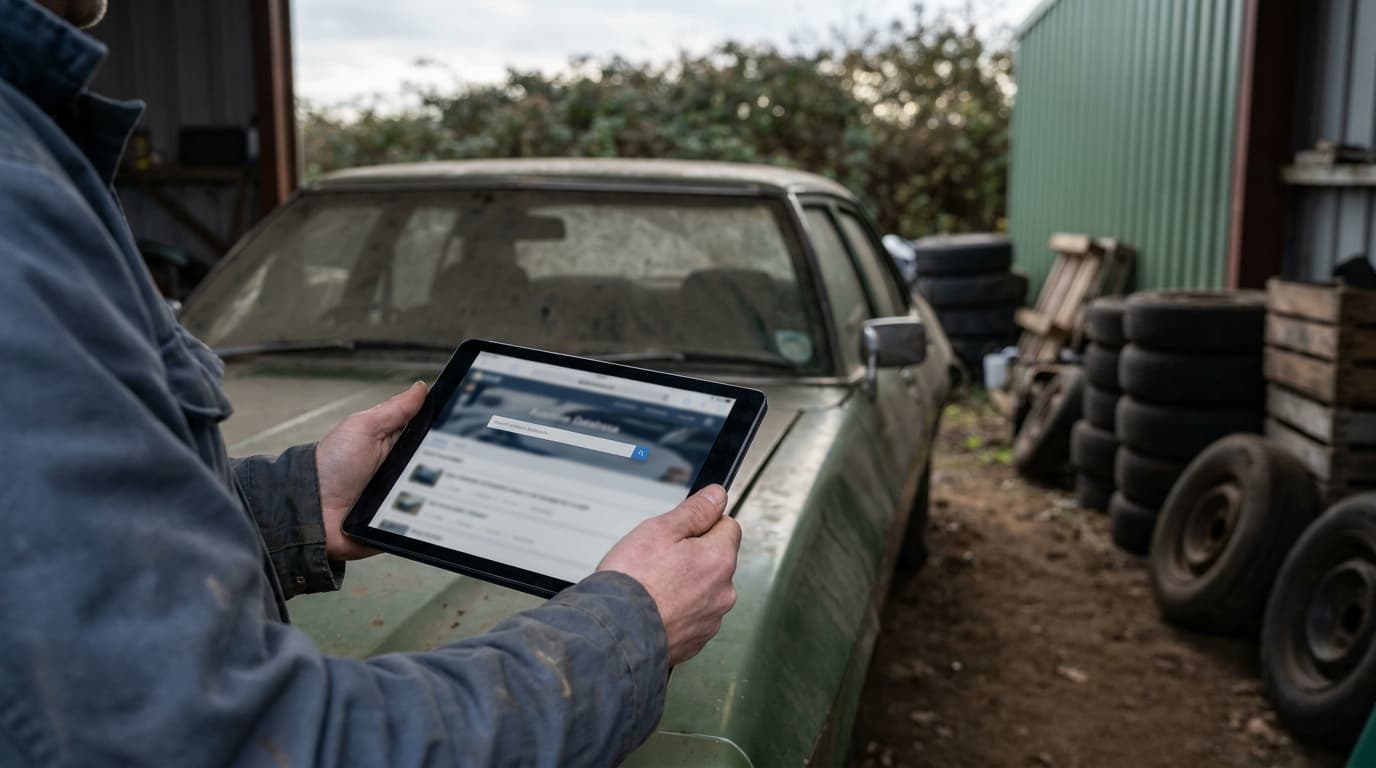
Find car auction photos by VIN using Copart and IAAI search, archive sites, and history reports. Step-by-step, plus fixes when the lot is gone.
Sep 13, 20268 min read
Can You Find a License Plate Number From a VIN?
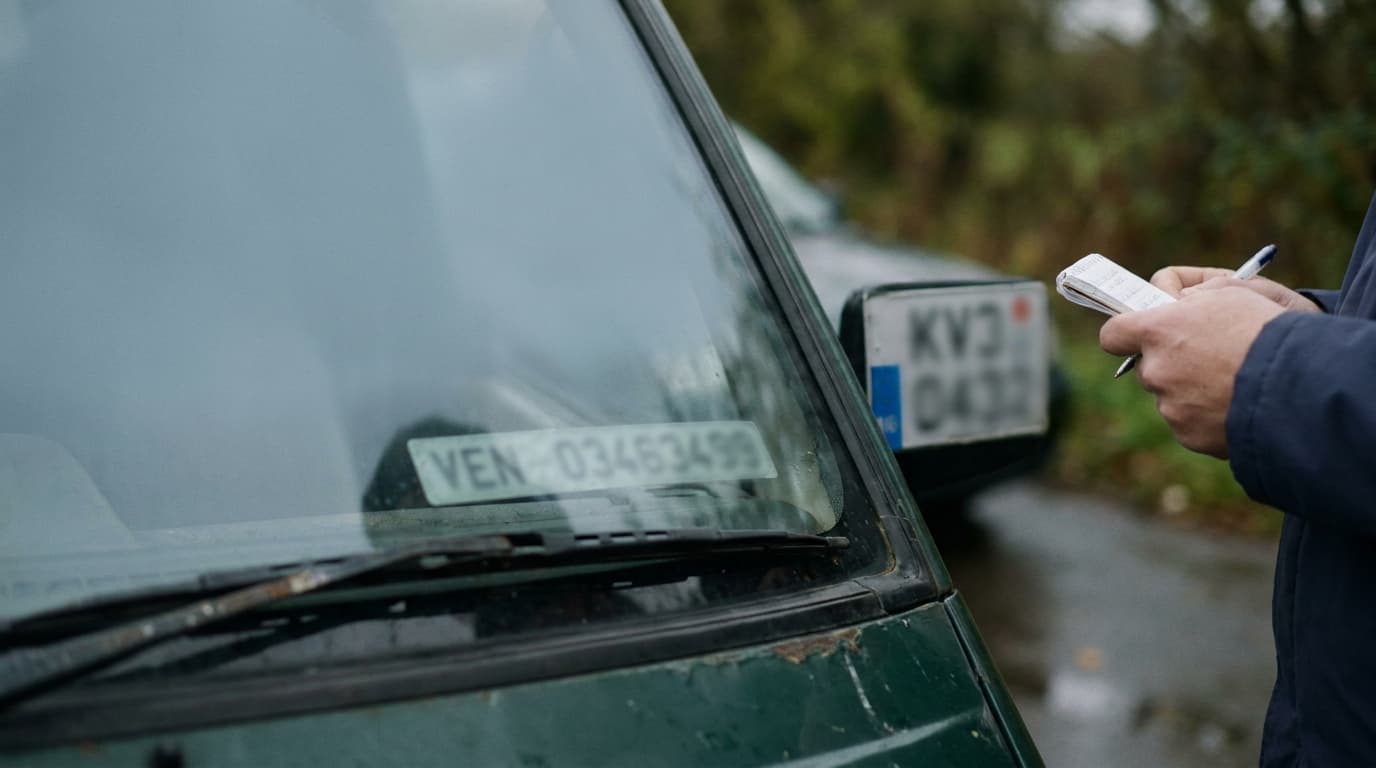
Usually not, and the reason is federal privacy law. Here is who can legitimately pull a plate from a VIN, what a VIN does reveal, and what to do for tolls, tickets, and hit-and-runs.
Sep 9, 20267 min read