TrulyCar vs CARFAX: Is a $45 Report Worth It in 2026?
 Chris HansVehicle History ExpertSeptember 2, 20267 min read
On this page
- TrulyCar vs CARFAX at a glance
- What CARFAX is good at
- What TrulyCar is good at
- TrulyCar vs CARFAX, category by category
- Price per VIN
- Title brands and salvage history
- Damage events and photos
- Odometer records
- Service and maintenance
- Recalls and warranty
- Values and free tools
- Which one should you actually buy?
- FAQ
- Is a $45 vehicle history report still worth it in 2026?
- Is TrulyCar a legitimate Carfax alternative?
- Do TrulyCar and CARFAX show the same information?
- Is there any way to get a free CARFAX?
- Should I buy both reports on the same car?
- How many reports do most buyers actually need?
If you're shopping a used car this year, the TrulyCar vs Carfax question usually comes down to one number: how much you're willing to spend per VIN. The going rate for a single report from the biggest brand in the category has sat around $45 for years now. TrulyCar sells one all-inclusive Complete Vehicle History Report for $16.99, or five for $44.99, which is roughly what one big-name report costs.
That price gap matters more than it used to, because most buyers don't check one car. They check four or five before something feels right. At $45 a pop, that's a car payment spent on paperwork.
Here's the honest split. CARFAX suits you if you want the name brand a dealer or a private buyer will recognize on sight, and if the specific car you're chasing happens to have a thick file of dealer-reported service visits. TrulyCar suits you if you're comparing multiple cars, if you care about auction damage photos and odometer chronology, or if you just refuse to pay $45 twice in one weekend.
- TrulyCar vs CARFAX at a glance
- What CARFAX is good at
- What TrulyCar is good at
- TrulyCar vs CARFAX, category by category
- Which one should you actually buy?
- FAQ
TrulyCar vs CARFAX at a glance
| Category | TrulyCar | CARFAX |
|---|---|---|
| Single report price | $16.99 | Historically around the $45 mark for one report; check their site for current pricing |
| Multi-report options | 3 reports $29.99, 5 reports $44.99, no subscription | Multi-report bundles are offered; pricing changes, so verify directly |
| Subscription required | No | No |
| Title and brand checks (salvage, insurance loss) | Included, built on NMVTIS title data | Included |
| Auction photo archives for damage events | Included when photos exist for the VIN | Not a feature CARFAX advertises |
| Odometer chronology with rollback flags | Included | Odometer readings included |
| Dealer-reported service records | Sales and usage timeline, plus the manufacturer's maintenance schedule | Service history from a large network of participating shops and dealers is a core selling point |
| Open recalls | Included, from NHTSA recall data | Included |
| Factory warranty terms | Included | Not a headline feature |
| Market values by condition | Included | CARFAX publishes its own value tool |
| Free VIN decode and plate lookup | Yes, on the homepage | Free VIN decode is not the product they lead with |
| Brand recognition with sellers | Lower | Highest in the category |
Prices move. Both figures above should be verified before you buy, and the CARFAX column sticks to what the company states publicly.
What CARFAX is good at
CARFAX has been in this business since the 1980s and is owned by S&P Global. That longevity bought them two things a newer service can't buy quickly: name recognition and a large network of repair shops, dealers, and inspection stations that feed them service events.
When that network has data on your car, the report reads like a maintenance logbook. Oil changes at 8,400 miles. Brake work at 41,000. A dealer alignment after something got bent. For a car that spent its life at a franchise dealer's service bay, that's genuinely useful context, and no amount of title data replaces it.
The brand also carries weight in negotiation. Hand a private seller a CARFAX printout and they generally don't argue with it. They may argue with a report they've never heard of, even if the underlying title records are identical, because familiarity is doing the persuading.
The trade-offs are the price and the gaps. Service data only exists if a participating shop reported it. Plenty of cars get maintained at independent garages, in driveways, or at quick-lube places that report nothing. On those VINs you can pay full price for a report that's thin. That's not a knock on CARFAX; it's how any records-based product works.
What TrulyCar is good at
TrulyCar is built around one flat product: a Complete Vehicle History Report at $16.99 with everything switched on. There's no basic tier, no upsell at checkout, no recurring charge. If you're checking a batch of cars, the 5-pack at $44.99 lands at about $9 per VIN.
Each report pulls title and brand checks from NMVTIS, the federal title database, so salvage, junk, and insurance-loss brands surface the same way they would anywhere else. On top of that you get damage events with auction photo archives when they exist, an odometer chronology that flags rollback patterns, the sales and usage timeline, open recall campaigns from NHTSA, the manufacturer's maintenance schedule for that model, factory warranty terms, and market values broken out by condition.
The auction photos are the part regular users tend to mention first. A line item that says "damage reported" tells you almost nothing. Twelve Copart photos of a crumpled right-front corner with the airbag deployed tell you what the repair actually involved and whether the current seller's "minor fender bender" story holds up. If you want the mechanics of that, we wrote it up in how to find car auction photos by VIN.
Where TrulyCar is weaker: it doesn't have decades of dealer service-bay relationships behind it, so on a well-documented lease return, a CARFAX report may list more individual shop visits. And the name won't impress a seller who's only heard of one brand.
TrulyCar vs CARFAX, category by category
Price per VIN
This is the clearest difference. One TrulyCar report costs $16.99. Five cost $44.99, which is about what a single big-name report has run for. If you're the type of buyer who screens six Craigslist listings before test-driving two, the math isn't close. If you've already picked the car and want one document, the gap is $28 and you may not care.
Title brands and salvage history
Both services check title brands, and both are pulling from the same federal source for that piece: NMVTIS, run by the Department of Justice. No commercial provider has secret salvage titles the others can't see. What differs is presentation and how state-to-state title moves get displayed, which is where title washing gets caught or missed. Read the state sequence yourself on whichever report you buy.
Damage events and photos
Advantage TrulyCar, and it's the single biggest functional difference. Photo archives from salvage auctions turn a vague damage flag into something you can evaluate. Ask any body shop estimator which they'd rather see.
Odometer records
Both list mileage readings over time. TrulyCar's report organizes them as a chronology and flags sequences that go backward or stall implausibly. Either way, the report is a starting point, not proof: a rollback done between two reported readings leaves no trace in the data. Our 9-step rollback check covers the physical inspection side.
Service and maintenance
Advantage CARFAX on raw shop-visit volume, thanks to that reporting network. TrulyCar takes a different angle: it shows the sales and usage timeline plus the manufacturer's own maintenance schedule for the vehicle, so you know what should have been done by 90,000 miles even when nobody reported what was done. Different tools. If verified service history is your top priority on a specific car, that's a real reason to pay more.
Recalls and warranty
Open recalls appear on both, since NHTSA publishes that data and you can also check it free at nhtsa.gov/recalls. TrulyCar adds factory warranty terms, which is handy on a three-year-old car where powertrain coverage might still have 14,000 miles left on it.
Values and free tools
TrulyCar includes market values by condition inside the report, and the homepage has free VIN decoding plus US license-plate lookup if you only have a plate from a listing photo. CARFAX publishes its own valuation tool separately.
Which one should you actually buy?
My take, after running plenty of both:
- Shopping several cars. Buy the TrulyCar 5-pack at $44.99. One big-name report costs about the same and covers one VIN. This is the clearest case for a Carfax alternative.
- Suspicious of a specific car's damage story. TrulyCar, for the auction photos. Nothing else settles the argument faster.
- Buying a low-mileage off-lease car from a franchise dealer. The dealer probably hands you a free CARFAX. Take it, then spend $16.99 on an independent check of title brands and odometer records so you're not relying on a document the seller chose to show you.
- Selling your own car. The recognizable brand has real value here, because buyers trust logos they know. That said, plenty of private sellers do fine handing over any legible report with the VIN on it.
- On a tight budget with one car in mind. $16.99 covers the records that kill deals: salvage and rebuilt brands, insurance loss, odometer inconsistencies, open recalls.
Neither report replaces a mechanic. Budget $100 to $200 for a pre-purchase inspection on anything you're serious about, because a lift and a scan tool find things no database has ever recorded.
If you want the record set on a specific VIN, a vehicle history report from TrulyCar covers title brands, damage events, the odometer chronology, and open recalls in one document. We also compared the field more broadly in our one-time price versus subscription breakdown.
FAQ
Is a $45 vehicle history report still worth it in 2026?
For one car, in one transaction, where you want a document the other party recognizes instantly: sure, that's defensible. For screening a shortlist of five vehicles, it's expensive, and cheaper reports pull from the same federal title database for the checks that matter most.
Is TrulyCar a legitimate Carfax alternative?
Yes. TrulyCar's title and brand checks use NMVTIS data, the federal title system, and recall and specification data comes from NHTSA. Those are the same official sources the industry relies on. What TrulyCar doesn't have is a decades-old private service-record reporting network, so on some well-documented cars a CARFAX report will list more shop visits.
Do TrulyCar and CARFAX show the same information?
They overlap heavily on title brands, salvage and insurance-loss records, odometer readings, and open recalls. They diverge on the extras: TrulyCar includes auction photo archives, factory warranty terms, the manufacturer's maintenance schedule, and market values by condition, while CARFAX leans on its shop-reported service history.
Is there any way to get a free CARFAX?
Dealers often post a free report on their own listings, and some marketplaces include one. Just remember the seller picked which document you see. You can also check recalls free at nhtsa.gov and decode a VIN or run a plate free on TrulyCar's homepage before paying for anything.
Should I buy both reports on the same car?
On an expensive purchase, it's not crazy. Total cost is around $62, less than one bad transmission diagnosis. If the two reports disagree on mileage or title state, that discrepancy alone is worth the money because it tells you exactly where to dig.
How many reports do most buyers actually need?
More than one. Buyers typically run three to six VINs before committing, which is why TrulyCar's 3-pack at $29.99 and 5-pack at $44.99 exist. Nothing expires into a subscription; you use the credits whenever you find the next candidate.
Chris Hans
Vehicle History Expert
Chris Hans writes TrulyCar's practical guides for used-car buyers, built on the same NMVTIS title data and NHTSA records that power our reports.
Buying a used car? Check its history first.
Run a free VIN checkKeep reading
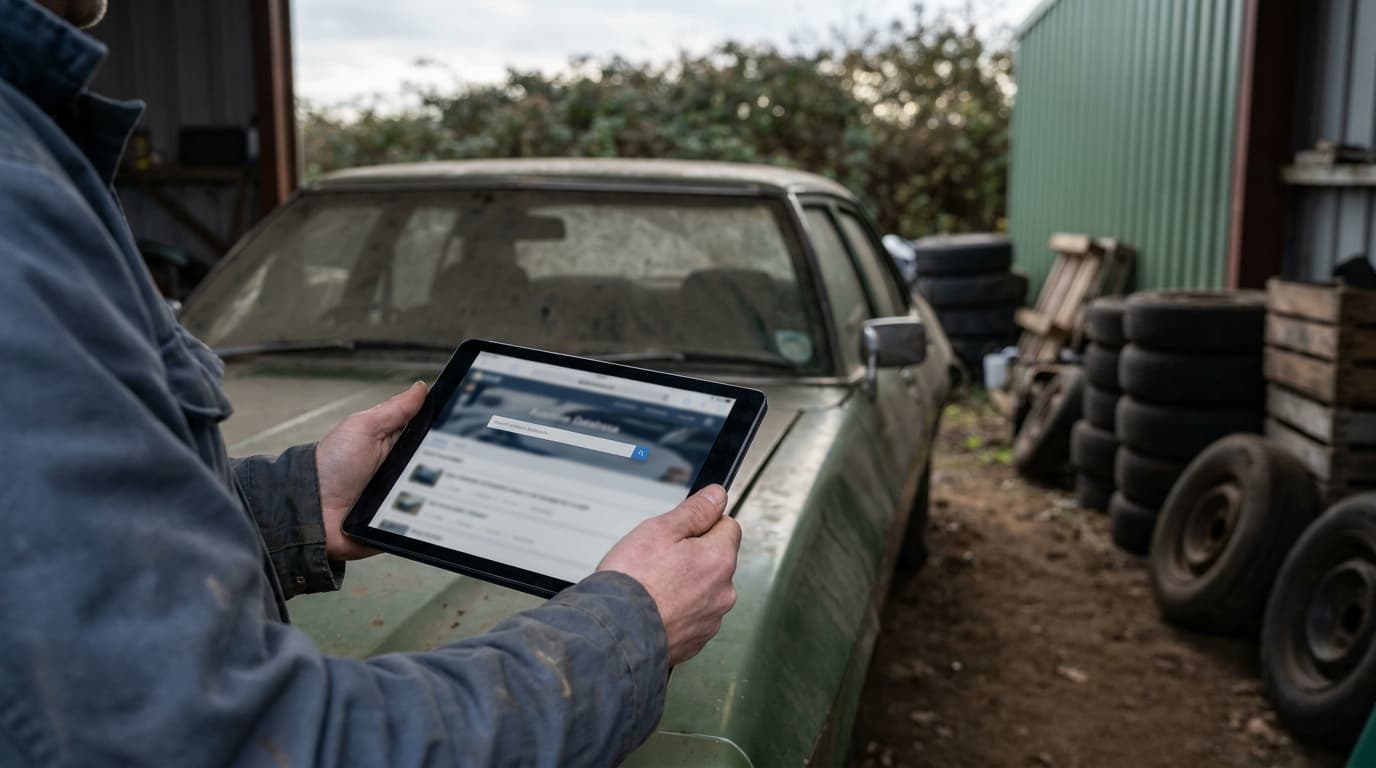
How to Find Car Auction Photos by VIN (Copart & IAAI)
Find car auction photos by VIN using Copart and IAAI search, archive sites, and history reports. Step-by-step, plus fixes when the lot is gone.
Sep 13, 20268 min read
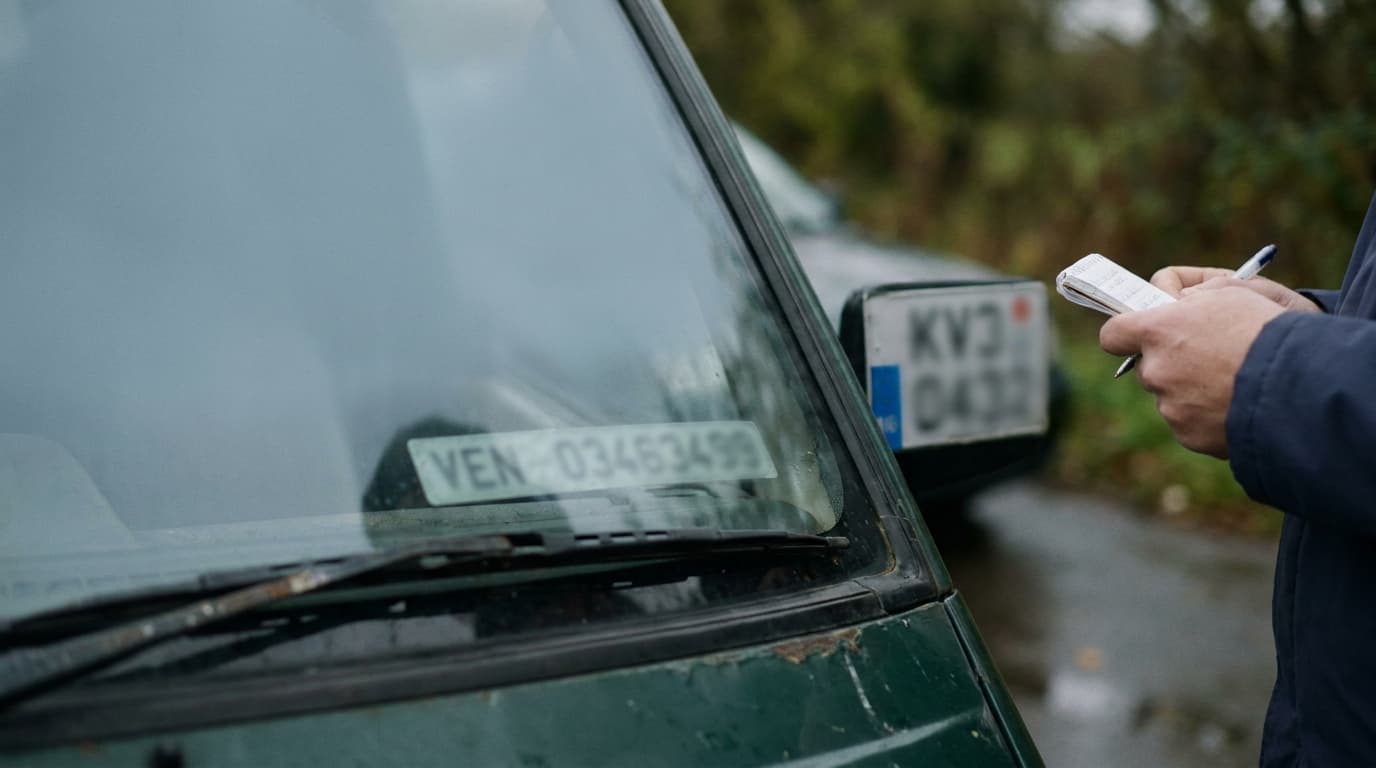
Can You Find a License Plate Number From a VIN?
Usually not, and the reason is federal privacy law. Here is who can legitimately pull a plate from a VIN, what a VIN does reveal, and what to do for tolls, tickets, and hit-and-runs.
Sep 9, 20267 min read

Cheap VIN Check Traps: TrulyCar vs EpicVIN vs Bumper
A cheap VIN check can cost more than a $45 report if it auto-renews. Compare TrulyCar, EpicVIN and Bumper on price, data and cancellation.
Sep 3, 20267 min read